
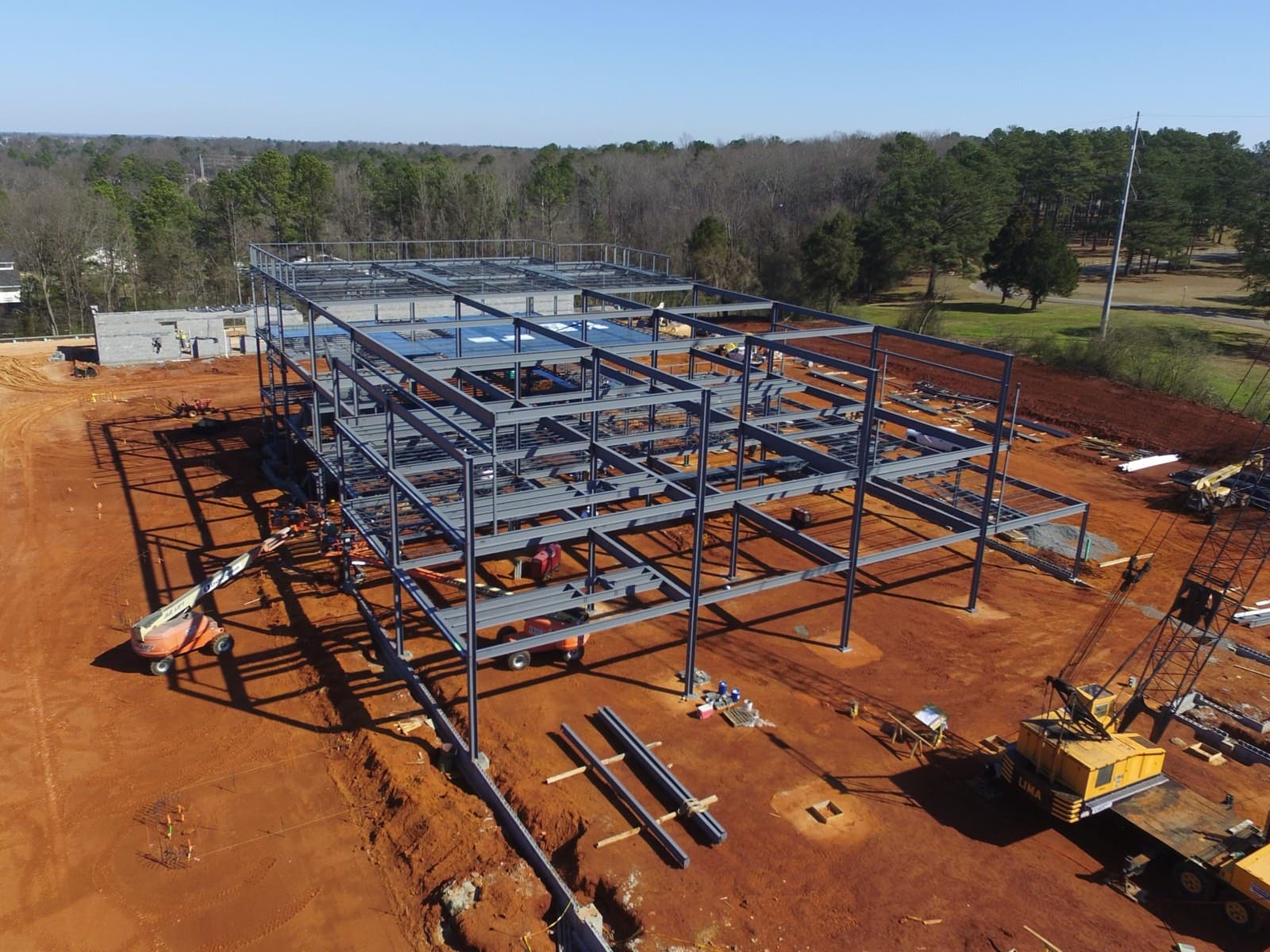
Concrete-Led Trade Coordination in El Paso, TX
Most concrete-intensive projects in El Paso involve more than the pour itself — subgrade prep, utility rough-in under the slab, embeds for structural and mechanical trades, and finish-trade handoffs that all have to land in the right order for the concrete to perform. Concrete Contractors of El Paso self-performs the foundation, slab, and flatwork scopes on these projects and coordinates the trade partners whose work intersects ours, so an owner or developer gets one accountable point of contact for the concrete-driven sequence instead of chasing five separate subcontractors. On larger builds, we work as the concrete subcontractor bidding to and reporting under a general contractor's schedule; on owner-direct and property-manager-direct work, we run that same coordination without a GC layer above us. The same 10-mile radius around El Paso can involve city permits, El Paso County permits, and New Mexico Construction Industries Division permits for Santa Teresa or Sunland Park work — we track that jurisdictional path so it doesn't stall the concrete-driven schedule. Our field teams are bilingual, and our subcontractor network includes Spanish-first trade contractors who communicate most efficiently in Spanish — we bridge that gap with Spanish-language RFIs, bilingual safety orientations, and Spanish-language daily reports when clients or regulatory requirements make that documentation necessary.
Coordinating the trades around a concrete package in El Paso is a multi-jurisdiction skill set that requires active permit tracking across Texas and New Mexico simultaneously on most projects in the Santa Teresa, Sunland Park, and Anthony corridor. Concrete Contractors of El Paso maintains registered contractor status with New Mexico Construction Industries Division as well as Texas licensing, and our permit coordinators are familiar with the different plan review processes, inspection cadences, and as-built requirements of El Paso city, El Paso County, New Mexico CID, and — for Fort Bliss-adjacent projects — the specific contractor access and documentation requirements of federal construction adjacent to the installation. We build a jurisdiction matrix into every preconstruction schedule that maps which permits need to be submitted where, which inspections can run in parallel, and which critical-path approvals control the pour sequence — because a permit miscommunication in El Paso's multi-jurisdiction environment is how a project loses 6 weeks before a shovel touches the ground.
Our concrete technical depth is what differentiates this coordination role from a process-only scheduling function. When we sequence the utility and earthwork trades that need to finish before a pour, we understand which items are genuine prerequisites and which are float that can shift without risk to the concrete schedule. When a downstream trade proposes a change that would affect embed placement, slab flatness, or curing timing, we flag it before it reaches the field rather than after a pour has already gone in around the wrong information. On projects where a general contractor holds the prime contract, we operate as their concrete subcontractor and report into their schedule; on projects where an owner or property manager engages us directly, we run that same sequencing without a GC layer above us.
Project Context and Delivery Priorities
In El Paso, concrete-led trade coordination projects usually succeed when preconstruction, field access, and turnover planning are treated as one sequence instead of disconnected tasks. We stay close to the owner, design team, and key trades from the earliest scope conversations so the delivery plan reflects the real site constraints, the expected handoff dates, and the operational pressure that often comes with commercial work in the Borderplex.
Before mobilization, we look at permits, utility windows, haul routes, staging needs, and any overlaps with active operations or neighboring development. That matters in El Paso because many sites combine tight access, weather exposure, and multiple jurisdictional touchpoints. The goal is not only to start work quickly, but to start in a way that protects productivity after the first trade arrives on site.
Once work is underway, the emphasis shifts to sequencing and accountability. We track the work by milestone, keep communication practical, and make sure each handoff leaves the next crew with a clean path forward. That approach helps owners avoid the slow drift that can happen when field decisions, submittals, and change coordination are left to accumulate until the end of the job.
As the project closes out, we focus on punch resolution, documentation, and operational readiness. For owners and facility teams, the best handoff is one that explains what was built, how the systems were coordinated, and what should be watched during the first months after turnover. That is the standard we try to maintain on every concrete-led trade coordination assignment.
Scope Coverage
- Self-performed foundations, slabs, and flatwork with embed and rough-in coordination for the trades that pour before, during, and after us
- Bid-and-report subcontractor relationship with general contractors on multi-trade projects, plus direct owner and property-manager engagements without a GC layer
- Bilingual daily site supervision and production coordination for Spanish-first crews on the concrete-driven sequence
- TX and NM jurisdictional permit tracking so utility, sitework, and inspection windows stay aligned with the pour schedule
The scope above is most effective when it is structured for the specific end use of the building, the access constraints on the site, and the owner's expected turnover window. We use those priorities to keep the work aligned with the build instead of treating each task as a standalone event.
Delivery Process
- Preconstruction sequencing review that maps which trades need to be on site before, during, and immediately after each pour
- Detailed schedule development with caliche, pour-weather, and monsoon-season risk windows flagged
- Bilingual field quality and safety verification routines with Spanish-language documentation available
- Final turnover with bilingual closeout package for owner-occupant, developer, and general contractor stakeholders
During delivery, we keep an eye on the items that usually create the most friction: submittal timing, trade stacking, access changes, material lead times, and inspection readiness. Keeping those issues visible early makes the schedule easier to protect later.
Why Choose Us
- Active Texas and New Mexico contractor registration with multi-jurisdiction permit tracking built into every preconstruction schedule
- Concrete-technical review of the trade sequence around a pour — embeds, rough-in, and finish-trade handoffs — not only calendar coordination
- Bilingual field supervision and Spanish-language RFI routing for Spanish-first subcontractor teams on the concrete-driven sequence
Typical Timeline
Varies by project type. Warehouse shell sequencing: 6–9 months. Commercial TI concrete coordination: 3–6 months. Multi-jurisdiction industrial: 8–18 months with parallel TX/NM permit tracks.
Planning Notes For Owners and Operators
Scope clarity matters early because concrete-led trade coordination work often affects downstream trades, equipment placement, and opening dates.
The strongest schedules come from realistic phasing, not optimistic assumptions about how quickly all crews can move through the same space.
If the project touches multiple jurisdictions or corridor access points, we map those dependencies before the first field activity begins.
Owners usually benefit from early procurement checks on reinforcing steel, embeds, specialty concrete mixes, and any finish requirements that could change curing or turnover timing.
When a site stays active during construction, we also plan around access separation, safety controls, and the order in which areas can realistically be released back to operations.
Coordination That Protects Turnover
The strongest concrete-led trade coordination deliveries in El Paso are the ones that account for owner operations long before the last punch walk. We keep closeout, access restoration, and documentation in view throughout the job so final turnover does not feel like a separate phase that starts after the work is already complete.
Service Area Alignment
We provide concrete-led trade coordination support in El Paso, TX, and nearby Texas and New Mexico markets where schedule control and concrete quality are essential.
Concrete-Led Trade Coordination FAQs
We maintain active contractor license and insurance in both Texas and New Mexico and have direct experience with the different plan review, inspection, and closeout requirements of El Paso Development Services, El Paso County, and New Mexico Construction Industries Division. On projects with active permits in both states simultaneously — common for clients with sites straddling the state line in the Santa Teresa-to-Anthony corridor — we maintain a jurisdiction-specific permit log with separate milestone tracking for each jurisdiction. NM CID inspection scheduling runs on a different cadence than Texas inspections and must be coordinated independently, which we manage as a standing project control rather than an ad-hoc coordination task.
Our concrete technical background means we evaluate mix design submittals with technical understanding rather than only confirming the document was submitted. We identify when a fly-ash content is too high for El Paso's summer heat-of-hydration requirements, when a water reducer is incompatible with the planned concrete temperature, or when a proposed job-site water addition would push the water-cement ratio above the mix design maximum for the sulfate exposure class. Those are not process review tasks — they require concrete materials knowledge. We catch those issues at submittal review rather than at cylinder break results 28 days after the suboptimal concrete was placed.
Both. On larger multi-trade builds, we bid the concrete package to the general contractor holding the prime contract and report into their schedule like any other subcontractor. On owner-direct work — a developer building a single facility, a property manager repairing a lot, a tenant improvement where the owner is managing trades directly — we run the same concrete-led sequencing without a GC layer above us. The scope of work is the same either way; what changes is who we report to.
The majority of concrete, earthwork, framing, and finishing subcontractors in El Paso are Spanish-first organizations. We issue subcontract packages with Spanish-language scope summaries, hold pre-construction meetings in Spanish for trades where the principals and foremen prefer Spanish, and route RFIs and submittals to Spanish-speaking subcontractor teams with Spanish-language documentation when required by the subcontractor's workflow. Our field superintendents are bilingual, and we verify that safety communications — toolbox talks, pre-pour briefings, hazard recognition — reach Spanish-first crews in their primary language, which is the only way to confirm that safety information was understood rather than merely delivered.
Related Service Pages
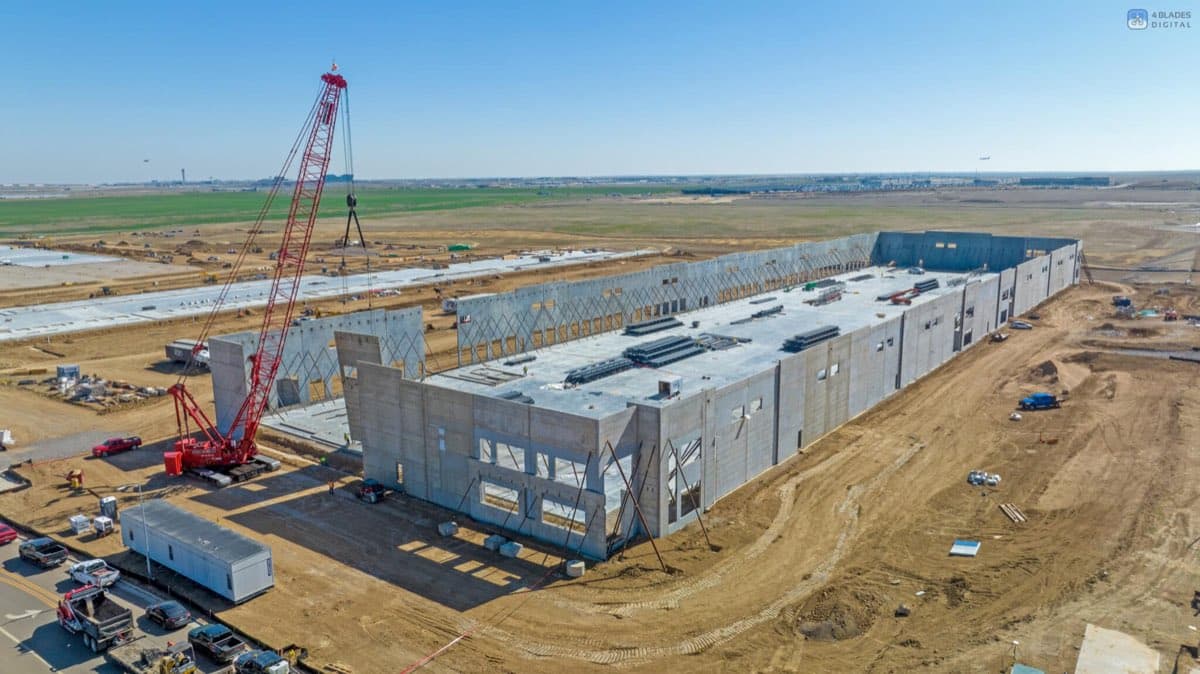
Tilt-Wall Construction
Engineered tilt-wall shells for distribution, maquila-support, and industrial facilities across the Borderplex — poured on caliche-stabilized beds and stood in El Paso's low-humidity desert air.
Open Service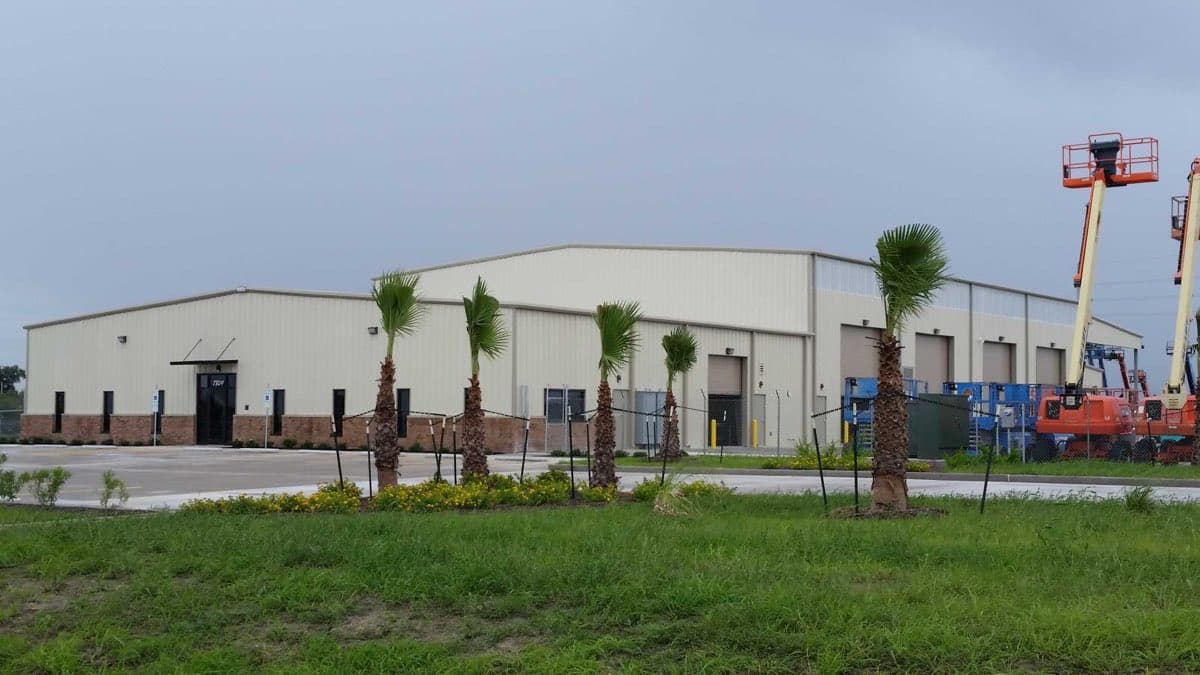
Warehouse Construction
Ground-up and expansion warehouse builds designed for BNSF/UP intermodal connectivity, Cd. Juárez maquila supply chains, and the El Paso/Santa Teresa logistics corridor.
Open Service
Industrial Construction
Industrial facility construction for maquiladora-support manufacturing, Fort Bliss defense logistics, and Borderplex process environments where sequencing and safety compliance are non-negotiable.
Open Service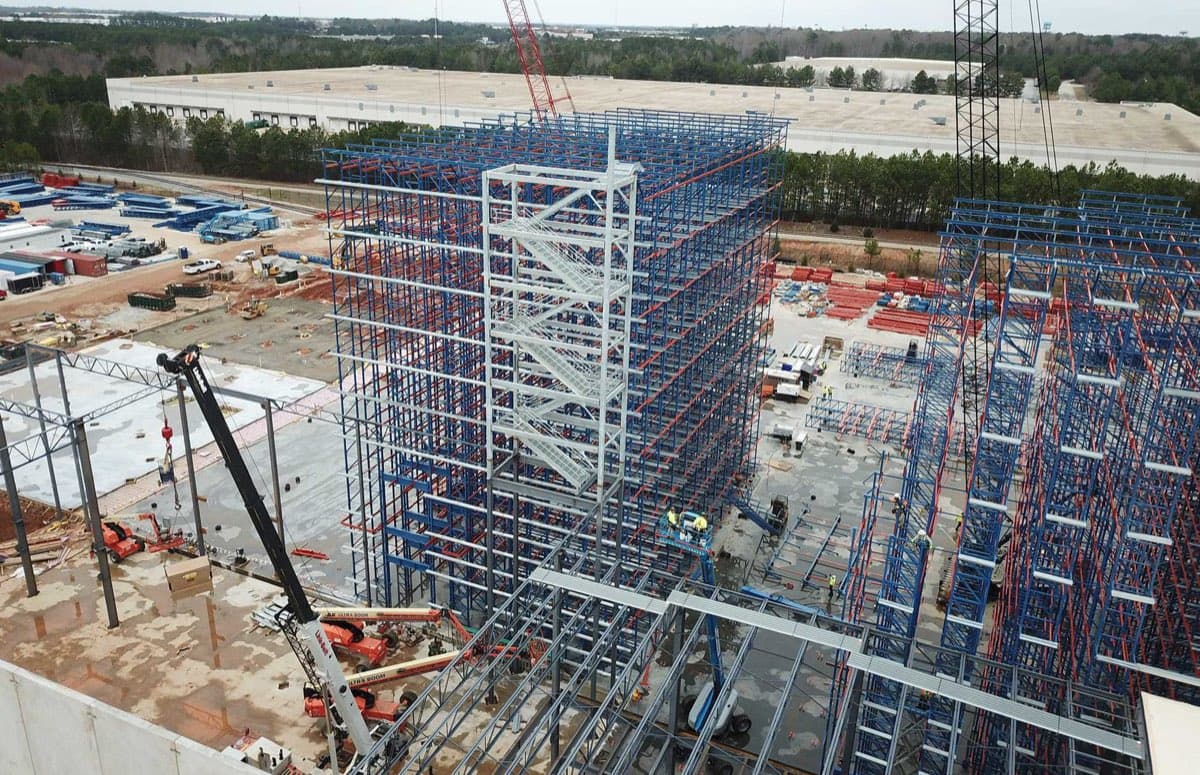
Commercial Construction
Commercial general contracting for El Paso's Sun City corridor — from UTEP-adjacent medical office to West El Paso mixed-use redevelopment — with concrete expertise at the foundation of every scope.
Open Service