
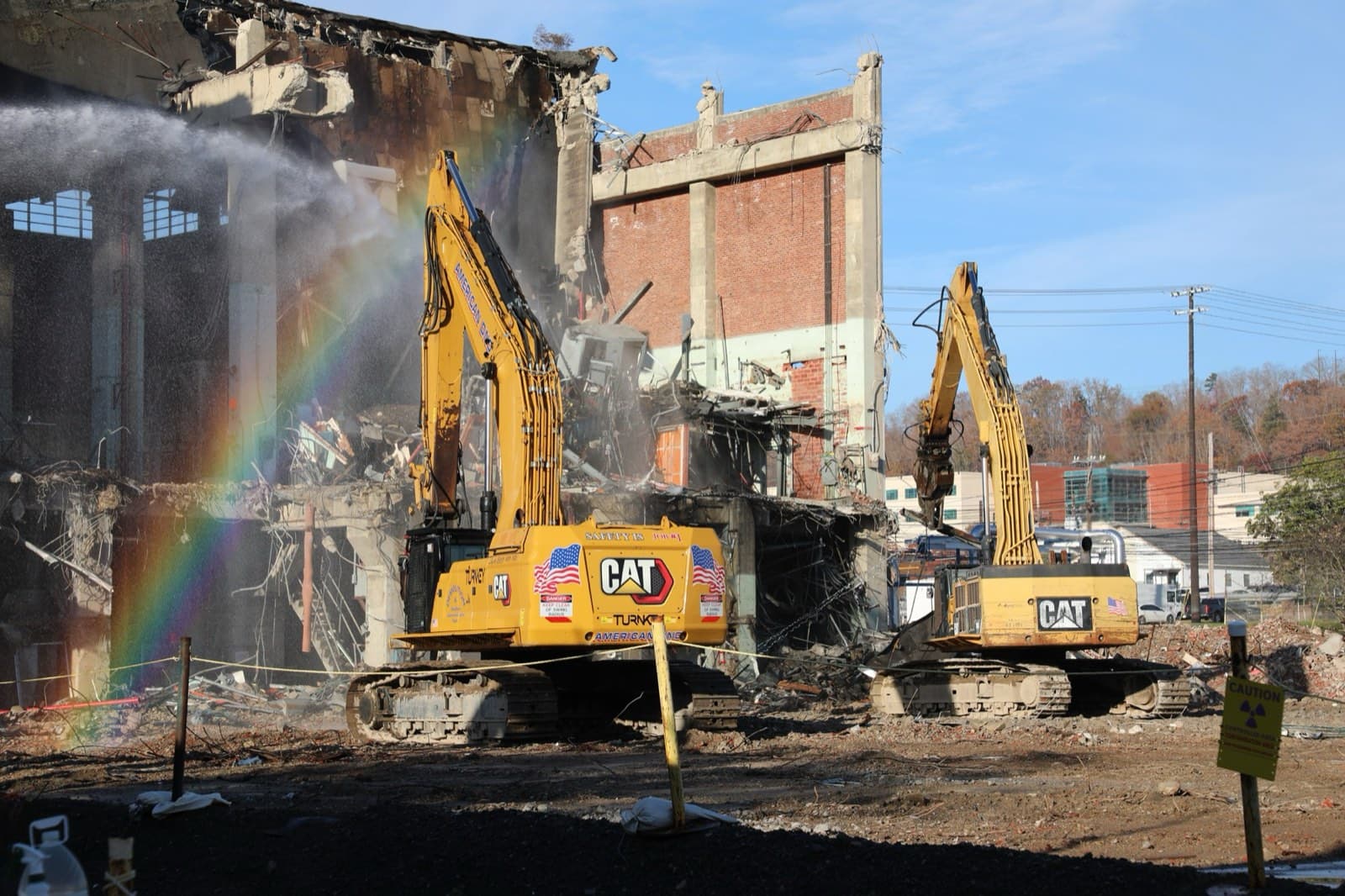
Demolition and Site Clearing in El Paso, TX
Demolition in El Paso has a concrete-specific dimension that general demolition contractors often underestimate: the amount of legacy concrete in this city's existing building stock is enormous. Industrial parks built through the 1970s and 1980s along Montana and Alameda have heavy tilt-wall and CIP slab-on-grade that requires high-reach demolition equipment, large jaw attachments, and concrete crushing operations if recycled aggregate is to be used as structural fill. Caliche-layer breaking adds another layer of complexity because the hardpan that underlies most El Paso demolition sites requires pneumatic breaking tools that slow production rates and create significant vibration that must be managed adjacent to existing structures. Concrete Contractors of El Paso plans demolition scopes from a concrete-knowledge perspective — we know what legacy tilt-wall systems look like, we understand how to remove pre-stressed or post-tensioned concrete elements safely, and we plan debris handling and recycling logistics for the heavy concrete volumes that El Paso demolition projects regularly produce. We also handle hazmat coordination for the asbestos-containing fireproofing and lead paint that remain present in El Paso's 1960s–1980s industrial inventory.
Demolition in El Paso's industrial parks brings a concrete volume challenge that shapes the entire site logistics plan. East El Paso industrial parks built during the maquila expansion of the 1970s and 1980s have tilt-wall concrete panels 7 to 9 inches thick, CIP slab-on-grade typically 5 to 6 inches thick on caliche base, and site concrete — truck aprons, yard paving, and drainage structures — that may represent 15,000 to 40,000 square feet of concrete per demolition project. Hauling that volume off-site at El Paso disposal rates is expensive. Concrete Contractors of El Paso evaluates concrete recycling as the first option — crushed concrete base (CCB) from demolished tilt-wall and slab concrete is an accepted structural fill material under Texas DOT specifications and can be used directly as caliche-replacement base for new construction, reducing both disposal cost and import fill cost simultaneously. We coordinate with the geotechnical engineer on CCB gradation and layer thickness requirements before proposing it as a recycled material option.
Asbestos-containing materials in El Paso's legacy industrial and commercial stock are a pre-demolition survey requirement that we embed into the project schedule rather than treating as a scope add after demolition begins. El Paso's industrial inventory includes tilt-wall buildings with asbestos-containing fireproofing applied to steel embed plates in the 1970s, office buildings with floor tiles, ceiling tiles, and pipe insulation containing asbestos, and commercial buildings with roofing materials and caulking that require testing before demolition crews can proceed. We work with Texas-licensed asbestos consultants and abatement contractors to complete surveys, abatement, and TCEQ notification before demolition equipment mobilizes, so the demolition schedule is not disrupted by an asbestos discovery mid-project.
Project Context and Delivery Priorities
In El Paso, demolition and site clearing projects usually succeed when preconstruction, field access, and turnover planning are treated as one sequence instead of disconnected tasks. We stay close to the owner, design team, and key trades from the earliest scope conversations so the delivery plan reflects the real site constraints, the expected handoff dates, and the operational pressure that often comes with commercial work in the Borderplex.
Before mobilization, we look at permits, utility windows, haul routes, staging needs, and any overlaps with active operations or neighboring development. That matters in El Paso because many sites combine tight access, weather exposure, and multiple jurisdictional touchpoints. The goal is not only to start work quickly, but to start in a way that protects productivity after the first trade arrives on site.
Once work is underway, the emphasis shifts to sequencing and accountability. We track the work by milestone, keep communication practical, and make sure each handoff leaves the next crew with a clean path forward. That approach helps owners avoid the slow drift that can happen when field decisions, submittals, and change coordination are left to accumulate until the end of the job.
As the project closes out, we focus on punch resolution, documentation, and operational readiness. For owners and facility teams, the best handoff is one that explains what was built, how the systems were coordinated, and what should be watched during the first months after turnover. That is the standard we try to maintain on every demolition and site clearing assignment.
Scope Coverage
- Legacy tilt-wall and CIP slab demolition with concrete crushing for recycled-aggregate structural fill
- Caliche-layer breaking and selective pneumatic demolition adjacent to existing active structures
- Hazmat abatement coordination for asbestos fireproofing and lead paint in legacy El Paso industrial stock
- Debris hauling, disposal, and recycling logistics with documentation for TCEQ reporting requirements
The scope above is most effective when it is structured for the specific end use of the building, the access constraints on the site, and the owner's expected turnover window. We use those priorities to keep the work aligned with the build instead of treating each task as a standalone event.
Delivery Process
- Existing-condition survey with tilt-wall connection mapping and hazmat assessment
- Permit and utility disconnect coordination with El Paso Water, EP Electric, and municipal gas
- Phased demolition with vibration monitoring and controlled access zones for active-adjacent operations
- Site handoff for civil and foundation mobilization with documentation of caliche-layer exposure
During delivery, we keep an eye on the items that usually create the most friction: submittal timing, trade stacking, access changes, material lead times, and inspection readiness. Keeping those issues visible early makes the schedule easier to protect later.
Why Choose Us
- Concrete recycling evaluation for demolished tilt-wall and slab — crushed concrete base as caliche replacement to reduce disposal and import cost
- Pre-demolition asbestos survey coordination with Texas-licensed consultants embedded in project schedule before demolition mobilization
- Caliche-layer breaking equipment planning based on boring log data — realistic production rates in budget before demolition begins
Typical Timeline
Asbestos survey and abatement: 3–6 weeks before demolition. Site clearing: 1–3 weeks. Building demolition and crushing: 2–8 weeks depending on structure size and concrete volume.
Planning Notes For Owners and Operators
Scope clarity matters early because demolition and site clearing work often affects downstream trades, equipment placement, and opening dates.
The strongest schedules come from realistic phasing, not optimistic assumptions about how quickly all crews can move through the same space.
If the project touches multiple jurisdictions or corridor access points, we map those dependencies before the first field activity begins.
Owners usually benefit from early procurement checks on reinforcing steel, embeds, specialty concrete mixes, and any finish requirements that could change curing or turnover timing.
When a site stays active during construction, we also plan around access separation, safety controls, and the order in which areas can realistically be released back to operations.
Coordination That Protects Turnover
The strongest demolition and site clearing deliveries in El Paso are the ones that account for owner operations long before the last punch walk. We keep closeout, access restoration, and documentation in view throughout the job so final turnover does not feel like a separate phase that starts after the work is already complete.
Service Area Alignment
We provide demolition and site clearing support in El Paso, TX, and nearby Texas and New Mexico markets where schedule control and concrete quality are essential.
Demolition and Site Clearing FAQs
Crushed concrete base (CCB) from demolished tilt-wall and slab is accepted as structural fill under Texas DOT specifications when it meets gradation, plasticity, and maximum particle size requirements. We coordinate with the geotechnical engineer on CCB gradation specification and layer thickness requirements before proposing it as a fill material. The economic case for CCB on large El Paso industrial demolition projects is compelling — eliminating both disposal cost for demolished concrete and import cost for conventional fill can reduce site preparation budget by $150,000 to $400,000 depending on concrete volume. We test the crushed product during demolition to verify gradation before placing it as structural fill, and document the test results for the project record.
El Paso's dry desert air creates elevated silica exposure risk during concrete demolition because fine silica particles stay airborne longer than in humid markets — there's no moisture to help settle them. We follow OSHA Table 1 engineering control requirements for all concrete demolition tasks: wet methods and vacuum shrouds on jackhammers and rotary hammers, wet methods on walk-behind demolition saws, and HEPA-filtered collection on grinding equipment. We conduct air monitoring during demolition operations and keep exposure records. Workers assigned to concrete demolition receive silica awareness training specific to El Paso's climate conditions, which makes standard control measures more important, not less.
Texas requires an asbestos survey by a Texas-licensed asbestos inspector before demolition of commercial or industrial buildings, and TCEQ notification 10 business days before demolition begins when regulated asbestos-containing material is present. El Paso's legacy industrial stock — particularly tilt-wall buildings from the 1970s — frequently contains asbestos in fireproofing applied to embedded steel plates, floor tiles, roofing materials, and pipe insulation. We contract Texas-licensed asbestos consultants for surveys, coordinate abatement contractor selection and TCEQ notification, and confirm that all abatement work and waste disposal documentation is complete before demolition crews mobilize. Discovering asbestos mid-demolition creates a mandatory work stoppage — pre-survey prevents that schedule impact.
Related Service Pages
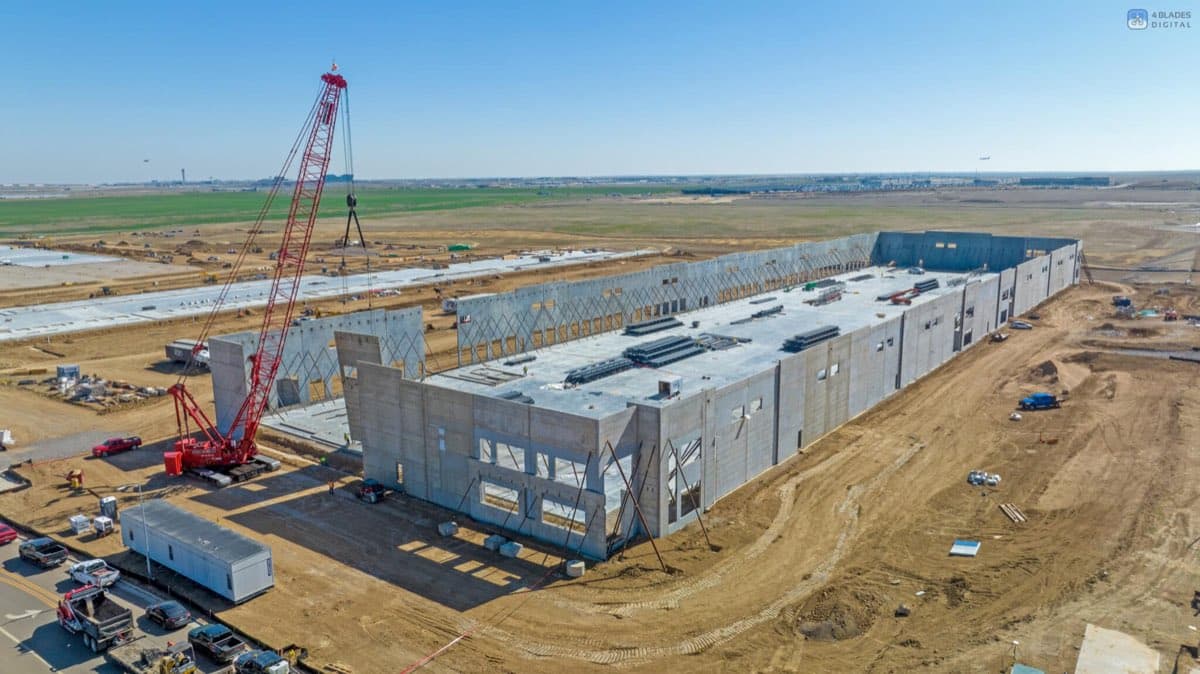
Tilt-Wall Construction
Engineered tilt-wall shells for distribution, maquila-support, and industrial facilities across the Borderplex — poured on caliche-stabilized beds and stood in El Paso's low-humidity desert air.
Open Service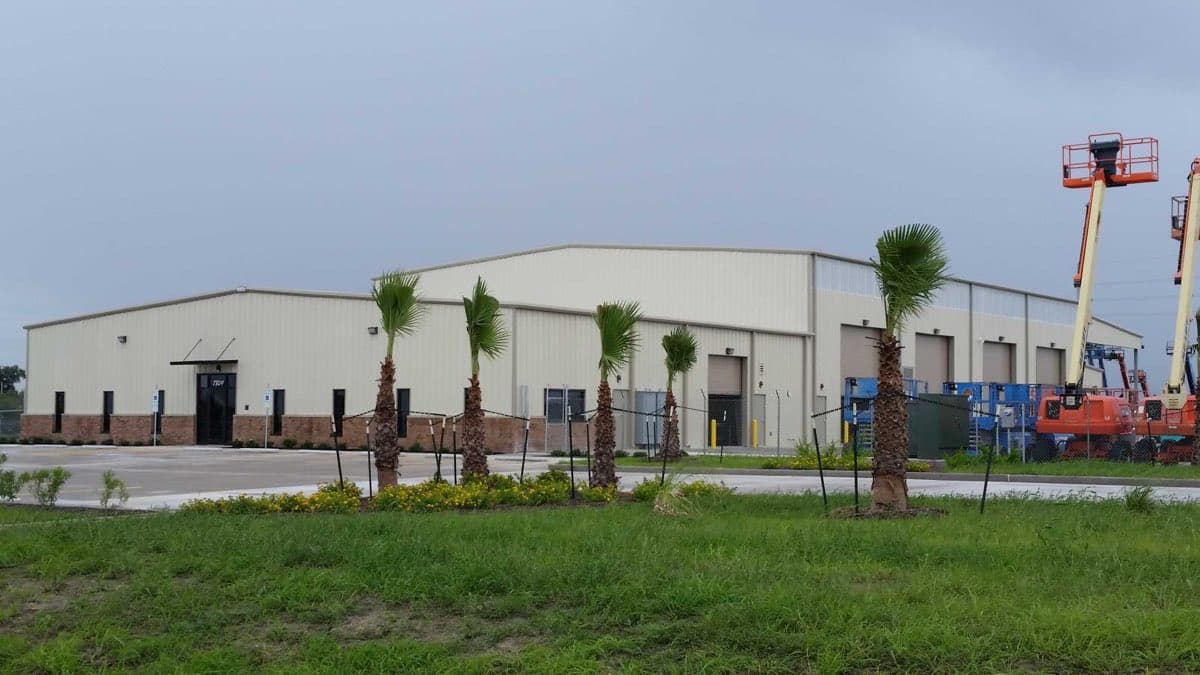
Warehouse Construction
Ground-up and expansion warehouse builds designed for BNSF/UP intermodal connectivity, Cd. Juárez maquila supply chains, and the El Paso/Santa Teresa logistics corridor.
Open Service
Industrial Construction
Industrial facility construction for maquiladora-support manufacturing, Fort Bliss defense logistics, and Borderplex process environments where sequencing and safety compliance are non-negotiable.
Open Service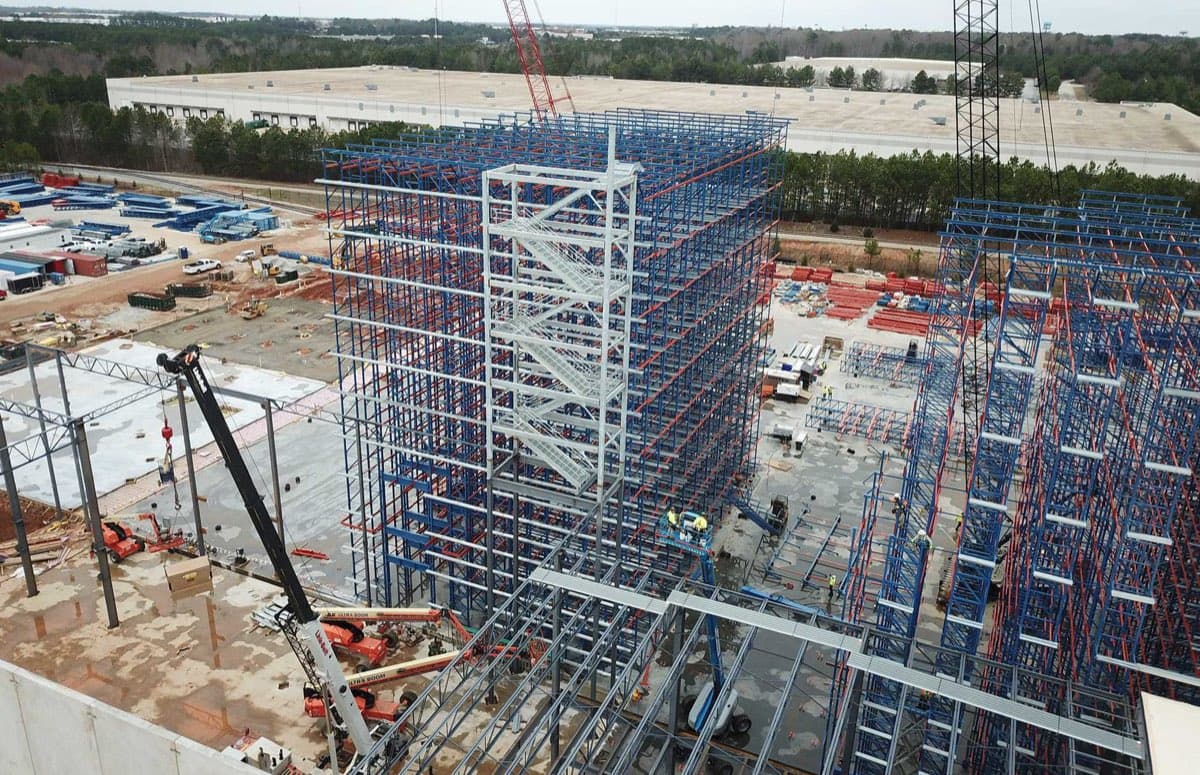
Commercial Construction
Commercial general contracting for El Paso's Sun City corridor — from UTEP-adjacent medical office to West El Paso mixed-use redevelopment — with concrete expertise at the foundation of every scope.
Open Service