

Design-Build Delivery in El Paso, TX
Design-build delivery is especially valuable in the Borderplex because the gap between a signed lease and a required occupancy date is often shorter than a traditional design-bid-build sequence allows. Maquila supply chain operators who anchor in Santa Teresa or East El Paso need building shells ready when equipment installation windows are already booked with Cd. Juárez vendors. Concrete Contractors of El Paso shortens that cycle by integrating concrete mix design, foundation detailing, and tilt-wall panel specifications into the design process — so the structural engineer isn't redesigning foundations after the contractor prices the slab package. We run constructability reviews in parallel with design development, identify long-lead caliche stabilization or sulfate-resistant cement procurement needs before drawings are complete, and build permit submissions that phase earthwork authorization ahead of full structural plan approval whenever the jurisdiction allows. The result is a sequence where civil, foundation, and structural concrete work begins weeks before the traditional design-bid-build timeline would permit.
Design-build in the Borderplex is often the only delivery model that works when a maquila supply chain operator needs a building shell in 8 months and the design-bid-build timeline would require 14. Concrete Contractors of El Paso structures design-build engagements so the concrete scope — foundations, slabs, and structural framing — is designed in parallel with the architectural envelope, not in sequence after it. The structural engineer gets real subgrade data from a geotechnical investigation that we commission in the first week, so foundation recommendations are based on actual El Paso soil sulfate levels and caliche depth rather than conservative assumptions that inflate reinforcement quantities and slab thickness without adding real performance. El Paso's permit environment supports phased design-build — Development Services will accept a site plan and civil permit submission before structural drawings are complete, allowing earthwork to begin before the full building permit is issued and effectively compressing the schedule by 6–10 weeks on projects where civil work is on the critical path.
The Cd. Juárez design interface is a unique design-build coordination challenge in the Borderplex. Maquila-affiliated clients frequently have process engineers based in Juárez or Chihuahua who are specifying utility requirements, equipment anchor patterns, and slab load parameters in metric units and Spanish-language documents. Our design-build coordination translates those process requirements into US building code compliant structural and mechanical specifications, coordinates RFI routing to Juárez-based engineers in Spanish, and manages the review cycles that occur across the international boundary with awareness of the crossing logistics that affect how fast document review can realistically happen.
Project Context and Delivery Priorities
In El Paso, design-build delivery projects usually succeed when preconstruction, field access, and turnover planning are treated as one sequence instead of disconnected tasks. We stay close to the owner, design team, and key trades from the earliest scope conversations so the delivery plan reflects the real site constraints, the expected handoff dates, and the operational pressure that often comes with commercial work in the Borderplex.
Before mobilization, we look at permits, utility windows, haul routes, staging needs, and any overlaps with active operations or neighboring development. That matters in El Paso because many sites combine tight access, weather exposure, and multiple jurisdictional touchpoints. The goal is not only to start work quickly, but to start in a way that protects productivity after the first trade arrives on site.
Once work is underway, the emphasis shifts to sequencing and accountability. We track the work by milestone, keep communication practical, and make sure each handoff leaves the next crew with a clean path forward. That approach helps owners avoid the slow drift that can happen when field decisions, submittals, and change coordination are left to accumulate until the end of the job.
As the project closes out, we focus on punch resolution, documentation, and operational readiness. For owners and facility teams, the best handoff is one that explains what was built, how the systems were coordinated, and what should be watched during the first months after turnover. That is the standard we try to maintain on every design-build delivery assignment.
Scope Coverage
- Single-team coordination across architecture, structural engineering, and concrete construction
- Budget feedback during iterative design with El Paso market pricing and caliche adjustments
- Phased permit strategy that enables earthwork and foundation starts ahead of full CDs
- Field-directed detailing adjustments for desert climate curing and shrinkage control
The scope above is most effective when it is structured for the specific end use of the building, the access constraints on the site, and the owner's expected turnover window. We use those priorities to keep the work aligned with the build instead of treating each task as a standalone event.
Delivery Process
- Integrated kickoff with design, ownership, and Cd. Juárez operations stakeholders when applicable
- Regular model and drawing progression reviews with concrete procurement milestones embedded
- Long-lead procurement — Type V cement, fly-ash, lifting hardware — aligned to design decisions
- Continuous quality and turnover planning with bilingual closeout documentation
During delivery, we keep an eye on the items that usually create the most friction: submittal timing, trade stacking, access changes, material lead times, and inspection readiness. Keeping those issues visible early makes the schedule easier to protect later.
Why Choose Us
- Parallel geotechnical and architectural design that eliminates the wait-for-soils-report schedule gap common in design-bid-build
- Phased El Paso permit submissions that start earthwork 6–10 weeks before full structural permit is issued
- Spanish-language design coordination with Cd. Juárez process engineers for maquila-affiliated design-build clients
Typical Timeline
Design-build can compress total schedule by 15–25% versus design-bid-build. Phased site permit: 4–6 weeks from engagement. Full structural permit: 10–14 weeks. Occupancy: tied to specific program.
Planning Notes For Owners and Operators
Scope clarity matters early because design-build delivery work often affects downstream trades, equipment placement, and opening dates.
The strongest schedules come from realistic phasing, not optimistic assumptions about how quickly all crews can move through the same space.
If the project touches multiple jurisdictions or corridor access points, we map those dependencies before the first field activity begins.
Owners usually benefit from early procurement checks on reinforcing steel, embeds, specialty concrete mixes, and any finish requirements that could change curing or turnover timing.
When a site stays active during construction, we also plan around access separation, safety controls, and the order in which areas can realistically be released back to operations.
Coordination That Protects Turnover
The strongest design-build delivery deliveries in El Paso are the ones that account for owner operations long before the last punch walk. We keep closeout, access restoration, and documentation in view throughout the job so final turnover does not feel like a separate phase that starts after the work is already complete.
Service Area Alignment
We provide design-build delivery support in El Paso, TX, and nearby Texas and New Mexico markets where schedule control and concrete quality are essential.
Design-Build Delivery FAQs
For maquila-affiliated design-build projects where process engineering is based in Cd. Juárez, we treat the cross-border coordination as a defined scope deliverable. We assign a bilingual project manager as the primary interface with the Juárez engineering team, establish Spanish-language RFI and submittal routing protocols, and build document review round-trips across the border into the design schedule rather than assuming same-day responses. Crossing lead times for document couriers or digital coordination windows are real schedule inputs — we don't ignore them and then discover mid-design that the process engineer in Juárez hasn't seen a critical foundation drawing for three weeks.
On a 150,000-square-foot El Paso warehouse, design-bid-build typically requires 14–18 months from project kickoff to occupancy: 4–6 months for design, 6–10 weeks for permit review, 2–4 weeks for bid, 8–10 months for construction. A well-structured design-build can compress that to 11–14 months by running civil design and permit submission in parallel with structural and MEP design, starting caliche site preparation as soon as the civil permit is issued, and avoiding the 2–4 week bid period entirely. That compression is most valuable when a maquila supply chain client has a lease obligation or equipment installation deadline that a standard timeline would miss.
El Paso Development Services accepts phased permit submissions — a civil and site permit can be submitted and approved while structural drawings are still in review. We use this sequence on design-build projects to start earthwork, caliche breaking, and underground utility installation 6–10 weeks before the building permit is issued. The civil package needs to be substantially complete before submission, which means design-build concrete coordination starts at the civil design level, not at the structural package level. We align geotechnical input, civil grading, and underground utility design as the first design-build deliverable so the phased permit path is feasible.
Related Service Pages
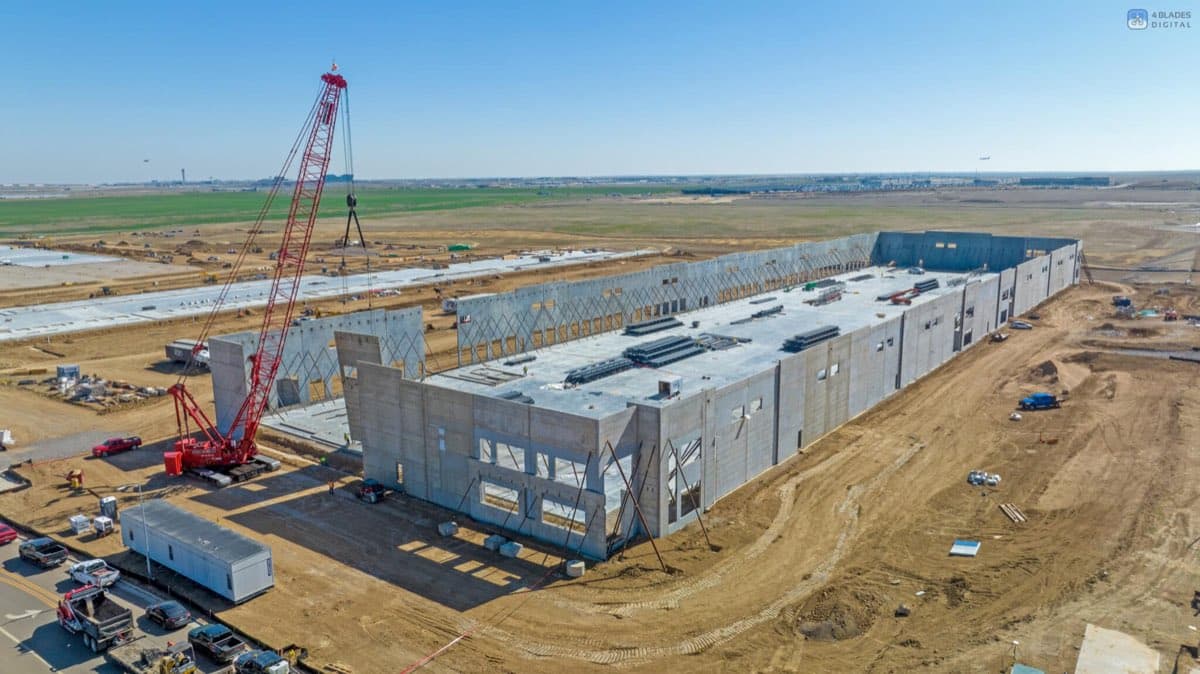
Tilt-Wall Construction
Engineered tilt-wall shells for distribution, maquila-support, and industrial facilities across the Borderplex — poured on caliche-stabilized beds and stood in El Paso's low-humidity desert air.
Open Service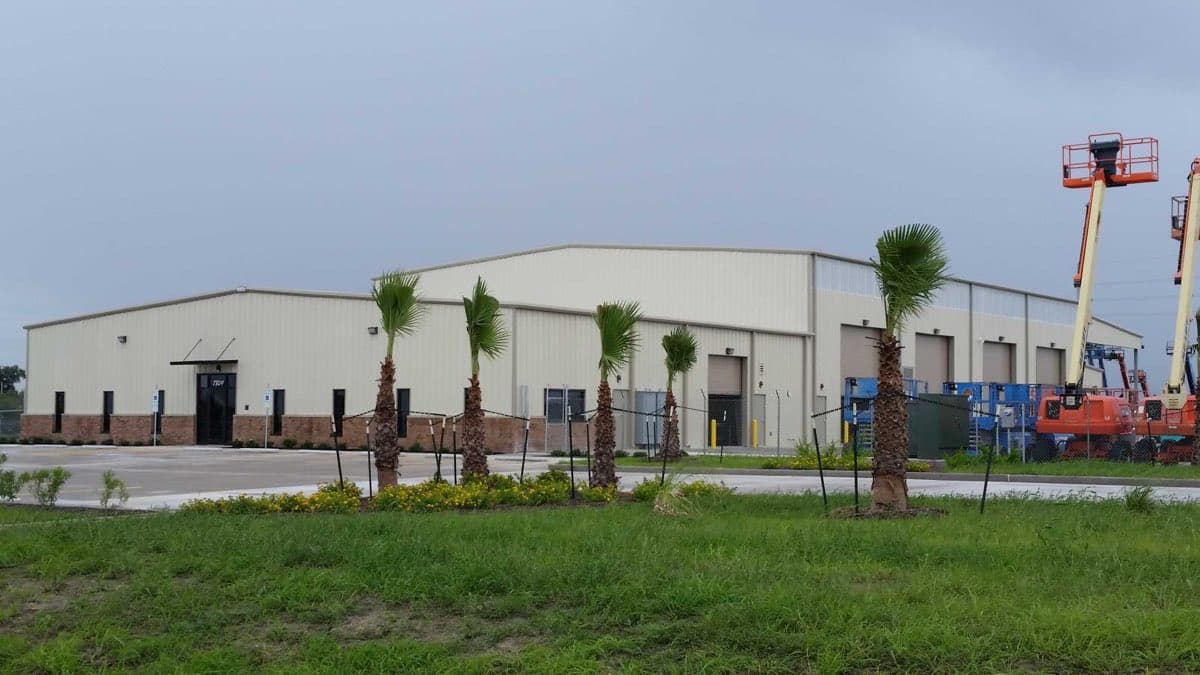
Warehouse Construction
Ground-up and expansion warehouse builds designed for BNSF/UP intermodal connectivity, Cd. Juárez maquila supply chains, and the El Paso/Santa Teresa logistics corridor.
Open Service
Industrial Construction
Industrial facility construction for maquiladora-support manufacturing, Fort Bliss defense logistics, and Borderplex process environments where sequencing and safety compliance are non-negotiable.
Open Service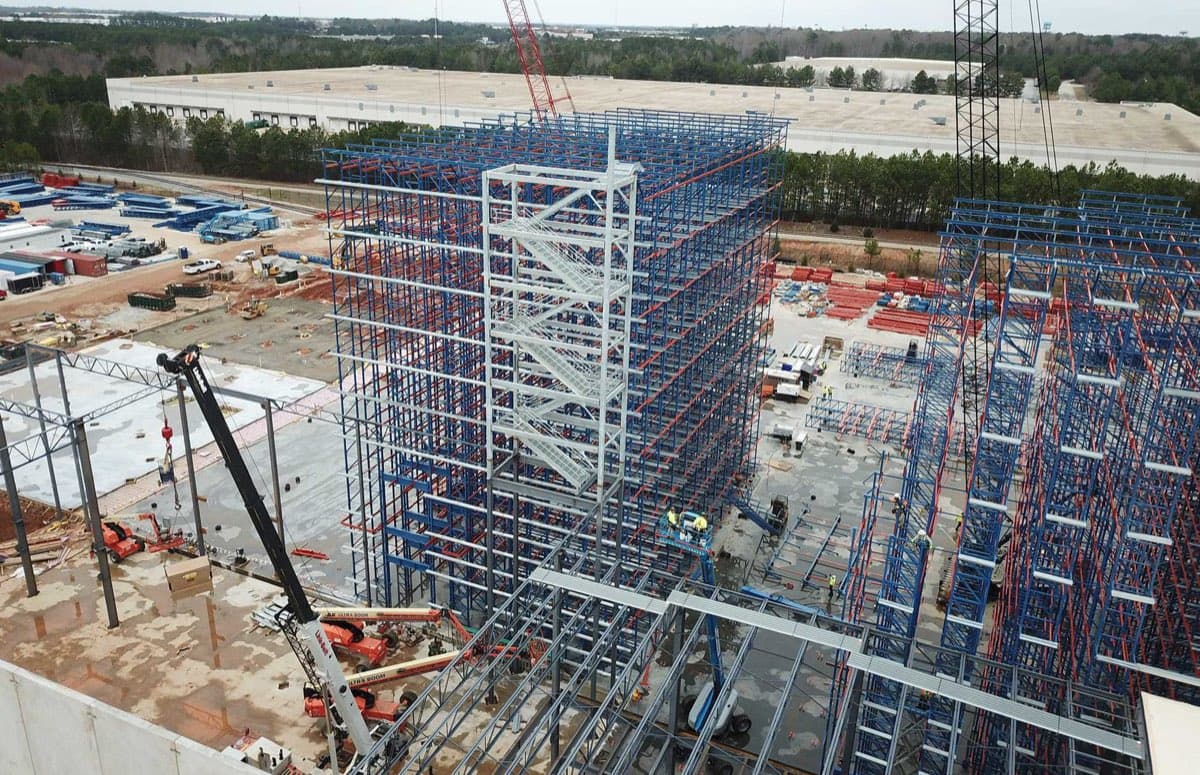
Commercial Construction
Commercial general contracting for El Paso's Sun City corridor — from UTEP-adjacent medical office to West El Paso mixed-use redevelopment — with concrete expertise at the foundation of every scope.
Open Service