
Earthwork and Heavy Civil in El Paso, TX
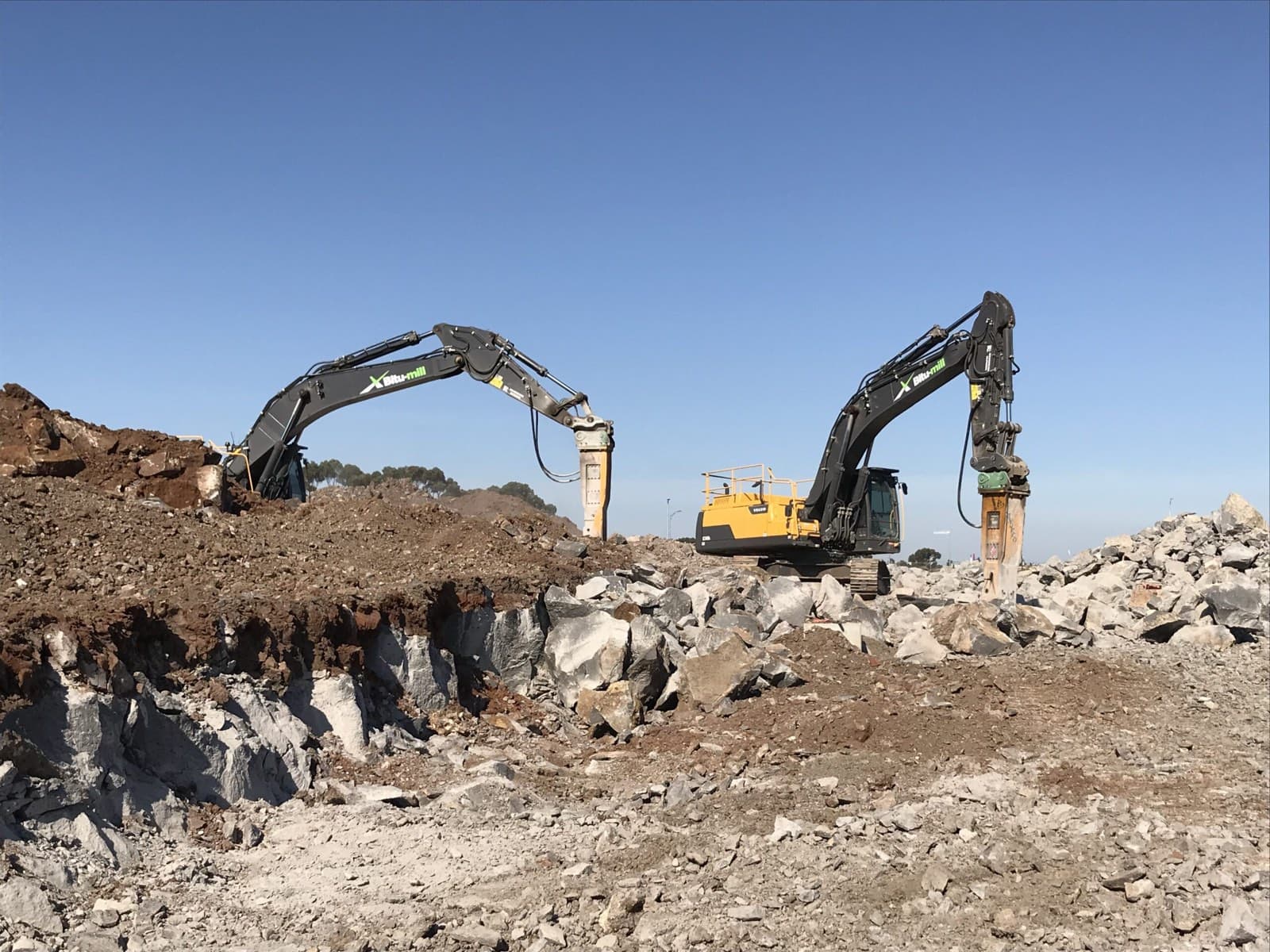
Earthwork in El Paso is fundamentally different from anywhere else in Texas because caliche is not only present — it controls design. Caliche is a calcium carbonate hardpan that forms near the surface across most of El Paso County, from the East Side industrial parks off Loop 375 to the Santa Teresa freight terminal. It's mechanically strong but highly alkaline, and it creates perched water tables during the late-summer monsoon that can turn a properly graded site into a drainage problem if drainage infrastructure isn't designed with the caliche layer in mind. Concrete Contractors of El Paso approaches earthwork and heavy civil from a concrete-trade perspective: we treat subgrade not as a commodity preparation step but as the foundation-quality platform that determines how long the slab above it performs. We use proof-roll documentation, moisture-conditioning of caliche and fill zones, and geotechnical-verified compaction testing as standard practice — not optional upgrades. Detention basin design here must account for the Chihuahuan Desert's brief but intense monsoon events that arrive July through September, delivering concentrated rainfall on surfaces that see less than 10 inches annually.
Earthwork in El Paso is a caliche conversation from day one. The calcium-carbonate hardpan that underlies most of El Paso County varies in depth from a few inches in some lower valley locations to more than four feet in Northeast El Paso and the Horizon City corridor — and it changes the earthwork production equation fundamentally. Standard motor grader and dozer production rates assume soil that yields to blade pressure; caliche requires ripping, pneumatic breaking, or in extreme cases drill-and-blast before it can be moved. Concrete Contractors of El Paso scopes earthwork with a pre-mobilization site investigation that maps caliche depth across the project footprint and translates that data into realistic production rates and haul calculations. Cut/fill balance on El Paso sites often involves the question of whether to import conventional fill to avoid breaking thick caliche or to process caliche in place as structural fill — we present that decision to owners with cost data rather than defaults.
Drainage earthwork in El Paso requires understanding the monsoon hydrology that contradicts the region's annual rainfall statistics. A flat 10-acre industrial site in Horizon City with zero detention capacity and a natural arroya crossing through the southeast corner is a flash-flood liability during July and August, even with only 9 inches of annual rainfall. We design detention basins and drainage swales to capture the 100-year storm event from NCNM atlas data, line concrete-bottomed channels where arroya velocity would erode earthen embankments, and coordinate with El Paso County's Stormwater Management Department on jurisdictional acceptance of detention volumes before we start grading. The caliche layer that complicates excavation also provides the low-permeability liner function in detention basins — we leverage that material property rather than fighting it.
Project Context and Delivery Priorities
In El Paso, earthwork and heavy civil projects usually succeed when preconstruction, field access, and turnover planning are treated as one sequence instead of disconnected tasks. We stay close to the owner, design team, and key trades from the earliest scope conversations so the delivery plan reflects the real site constraints, the expected handoff dates, and the operational pressure that often comes with commercial work in the Borderplex.
Before mobilization, we look at permits, utility windows, haul routes, staging needs, and any overlaps with active operations or neighboring development. That matters in El Paso because many sites combine tight access, weather exposure, and multiple jurisdictional touchpoints. The goal is not only to start work quickly, but to start in a way that protects productivity after the first trade arrives on site.
Once work is underway, the emphasis shifts to sequencing and accountability. We track the work by milestone, keep communication practical, and make sure each handoff leaves the next crew with a clean path forward. That approach helps owners avoid the slow drift that can happen when field decisions, submittals, and change coordination are left to accumulate until the end of the job.
As the project closes out, we focus on punch resolution, documentation, and operational readiness. For owners and facility teams, the best handoff is one that explains what was built, how the systems were coordinated, and what should be watched during the first months after turnover. That is the standard we try to maintain on every earthwork and heavy civil assignment.
Scope Coverage
- Caliche profiling, moisture conditioning, and engineered fill placement for alkaline soil conditions
- Cut/fill balancing and haul route planning for East El Paso and Santa Teresa industrial sites
- Monsoon-ready storm drainage, detention basin construction, and arroya conveyance systems
- Subgrade stabilization with compaction documentation for slab-on-grade and tilt-wall projects
The scope above is most effective when it is structured for the specific end use of the building, the access constraints on the site, and the owner's expected turnover window. We use those priorities to keep the work aligned with the build instead of treating each task as a standalone event.
Delivery Process
- Civil review with caliche layer mapping and constructability validation before mobilization
- Field staking and machine-control coordination across flat desert terrain
- Progressive compaction testing and quality reporting tied to concrete placement readiness
- Turnover grading and as-built survey support for building permit closeout
During delivery, we keep an eye on the items that usually create the most friction: submittal timing, trade stacking, access changes, material lead times, and inspection readiness. Keeping those issues visible early makes the schedule easier to protect later.
Why Choose Us
- Pre-mobilization caliche depth mapping that translates directly into accurate production rates and earthwork budget
- Monsoon-hydrology drainage design calibrated to El Paso's 100-year storm requirements, not national rainfall averages
- Caliche-as-liner strategy for detention basins that reduces import fill costs on alkaline desert sites
Typical Timeline
Site grading: 4–12 weeks depending on caliche depth and site size. Utilities and drainage structures: 6–16 weeks with agency coordination for El Paso Water and county stormwater approval.
Planning Notes For Owners and Operators
Scope clarity matters early because earthwork and heavy civil work often affects downstream trades, equipment placement, and opening dates.
The strongest schedules come from realistic phasing, not optimistic assumptions about how quickly all crews can move through the same space.
If the project touches multiple jurisdictions or corridor access points, we map those dependencies before the first field activity begins.
Owners usually benefit from early procurement checks on reinforcing steel, embeds, specialty concrete mixes, and any finish requirements that could change curing or turnover timing.
When a site stays active during construction, we also plan around access separation, safety controls, and the order in which areas can realistically be released back to operations.
Coordination That Protects Turnover
The strongest earthwork and heavy civil deliveries in El Paso are the ones that account for owner operations long before the last punch walk. We keep closeout, access restoration, and documentation in view throughout the job so final turnover does not feel like a separate phase that starts after the work is already complete.
Service Area Alignment
We provide earthwork and heavy civil support in El Paso, TX, and nearby Texas and New Mexico markets where schedule control and concrete quality are essential.
Earthwork and Heavy Civil FAQs
We review boring logs from the geotechnical investigation — specifically looking at blow counts and sample descriptions that indicate caliche versus alluvial fill versus rock — and map caliche depth across the project footprint by location. That mapping drives our production rate assumptions: caliche that a dozer can rip at 400 cubic yards per day in softer zones may require pneumatic breaking at 80 cubic yards per day in hard zones. We price those production rates separately rather than averaging them into a single number that looks competitive but creates a cost dispute during field execution when the pneumatic breaking zones turn out to cover 60 percent of the site.
El Paso's annual rainfall statistics — under 10 inches per year — are almost irrelevant for detention design because 50 percent of that total falls in 10 weeks of July-through-September monsoon events that produce rainfall intensities of 1 to 2 inches per hour. We use El Paso County's Atlas 14 IDF curves for detention sizing — the 100-year, 1-hour rainfall intensity is significantly higher than the 10-year event that standard TXDOT regional curves might suggest. We design detention outfall structures for the 100-year event and include emergency overflow routing for events that exceed design capacity.
Yes, caliche can function as structural fill if it meets gradation, plasticity, and compaction requirements specified by the geotechnical engineer. Processed caliche — broken and graded to a maximum particle size appropriate for the structural application — achieves high compaction density and provides good bearing capacity. The economic case for using caliche-in-place as structural fill rather than hauling it off and importing conventional fill can be significant on large El Paso industrial sites, sometimes reducing earthwork cost by $200,000 to $500,000. We present that option to owners with the geotechnical engineer's concurrence and clear documentation of the material testing required to verify suitability.
Related Service Pages
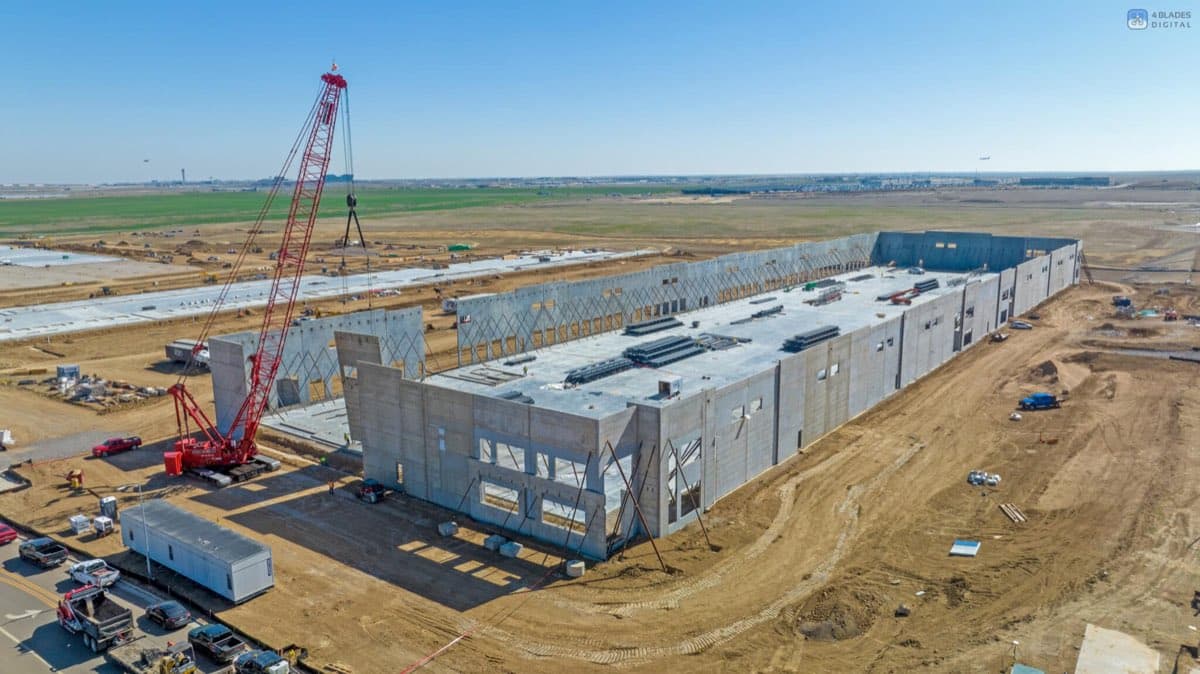
Tilt-Wall Construction
Engineered tilt-wall shells for distribution, maquila-support, and industrial facilities across the Borderplex — poured on caliche-stabilized beds and stood in El Paso's low-humidity desert air.
Open Service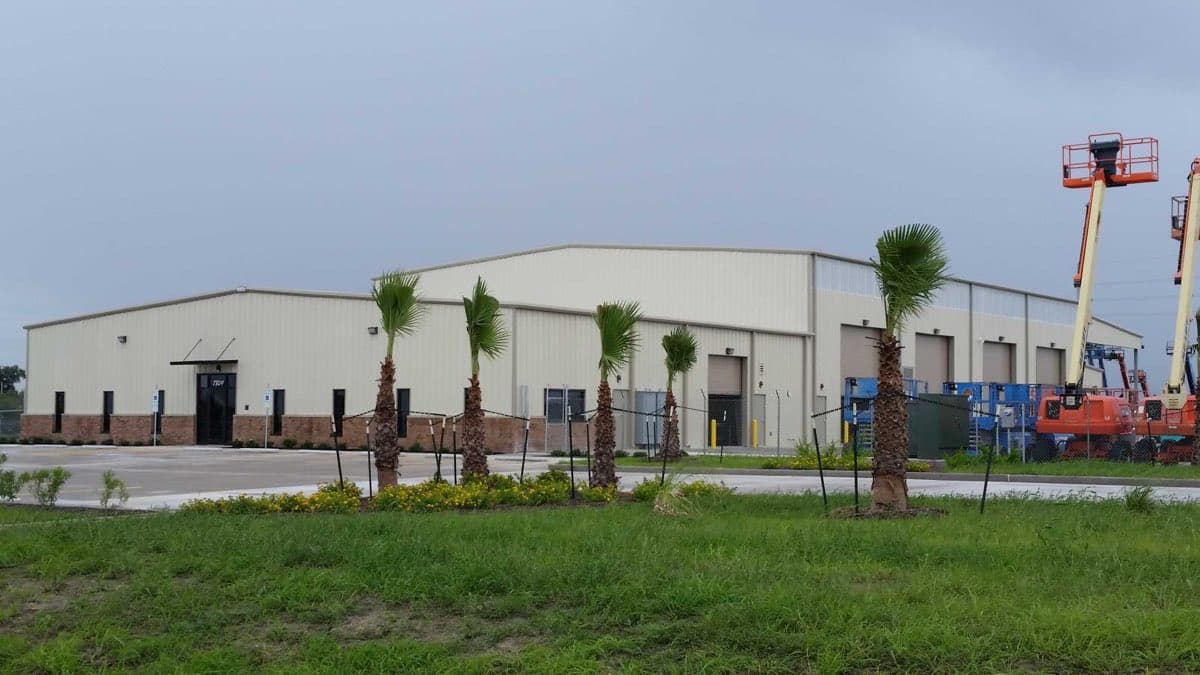
Warehouse Construction
Ground-up and expansion warehouse builds designed for BNSF/UP intermodal connectivity, Cd. Juárez maquila supply chains, and the El Paso/Santa Teresa logistics corridor.
Open Service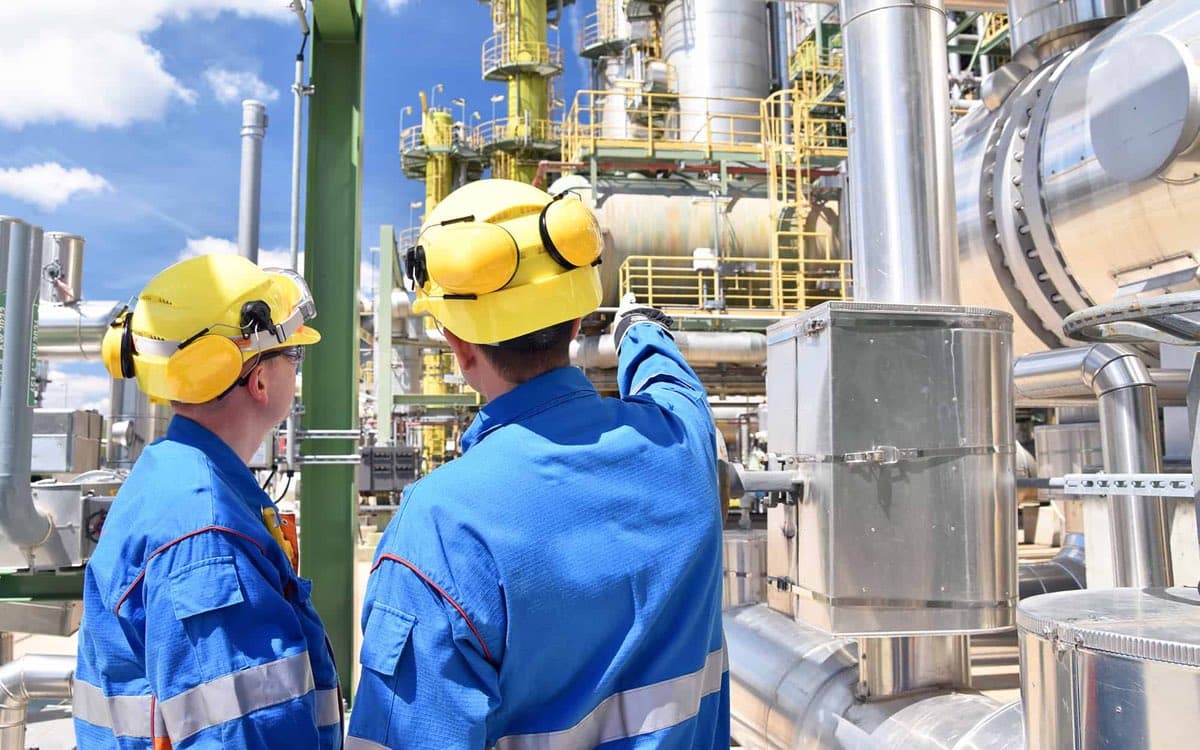
Industrial Construction
Industrial facility construction for maquiladora-support manufacturing, Fort Bliss defense logistics, and Borderplex process environments where sequencing and safety compliance are non-negotiable.
Open Service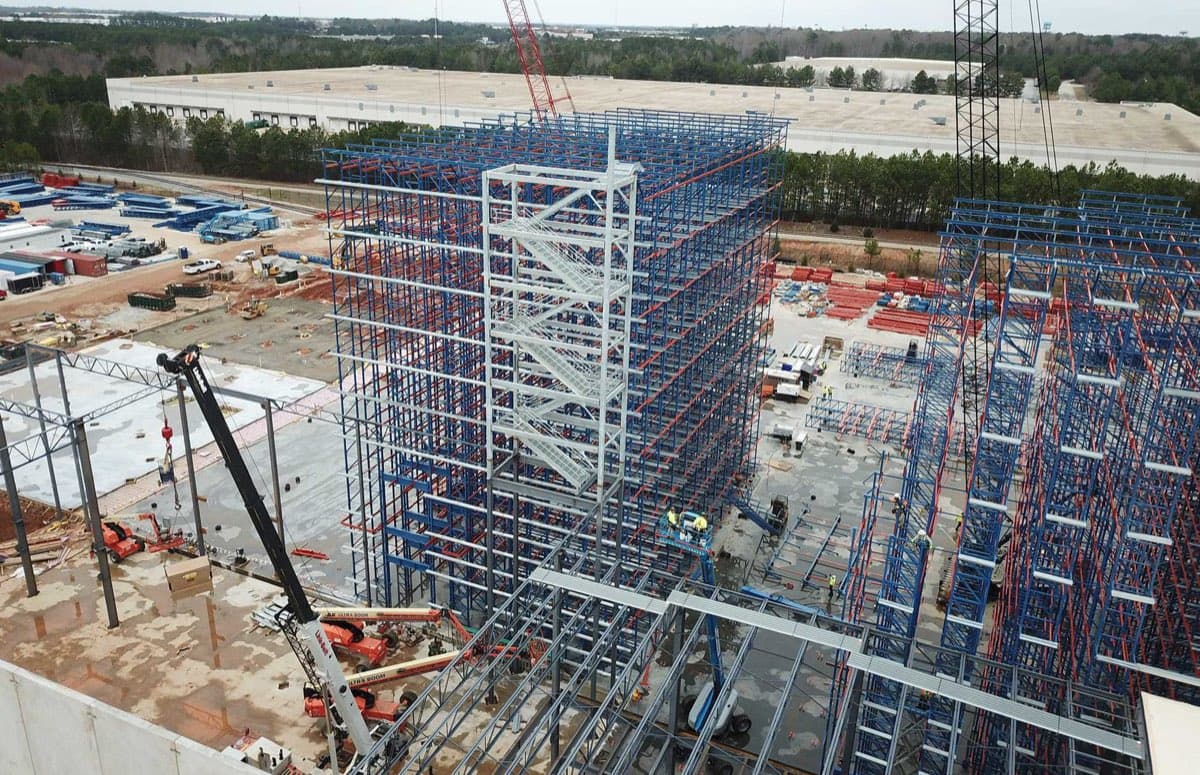
Commercial Construction
Commercial general contracting for El Paso's Sun City corridor — from UTEP-adjacent medical office to West El Paso mixed-use redevelopment — with concrete expertise at the foundation of every scope.
Open Service