
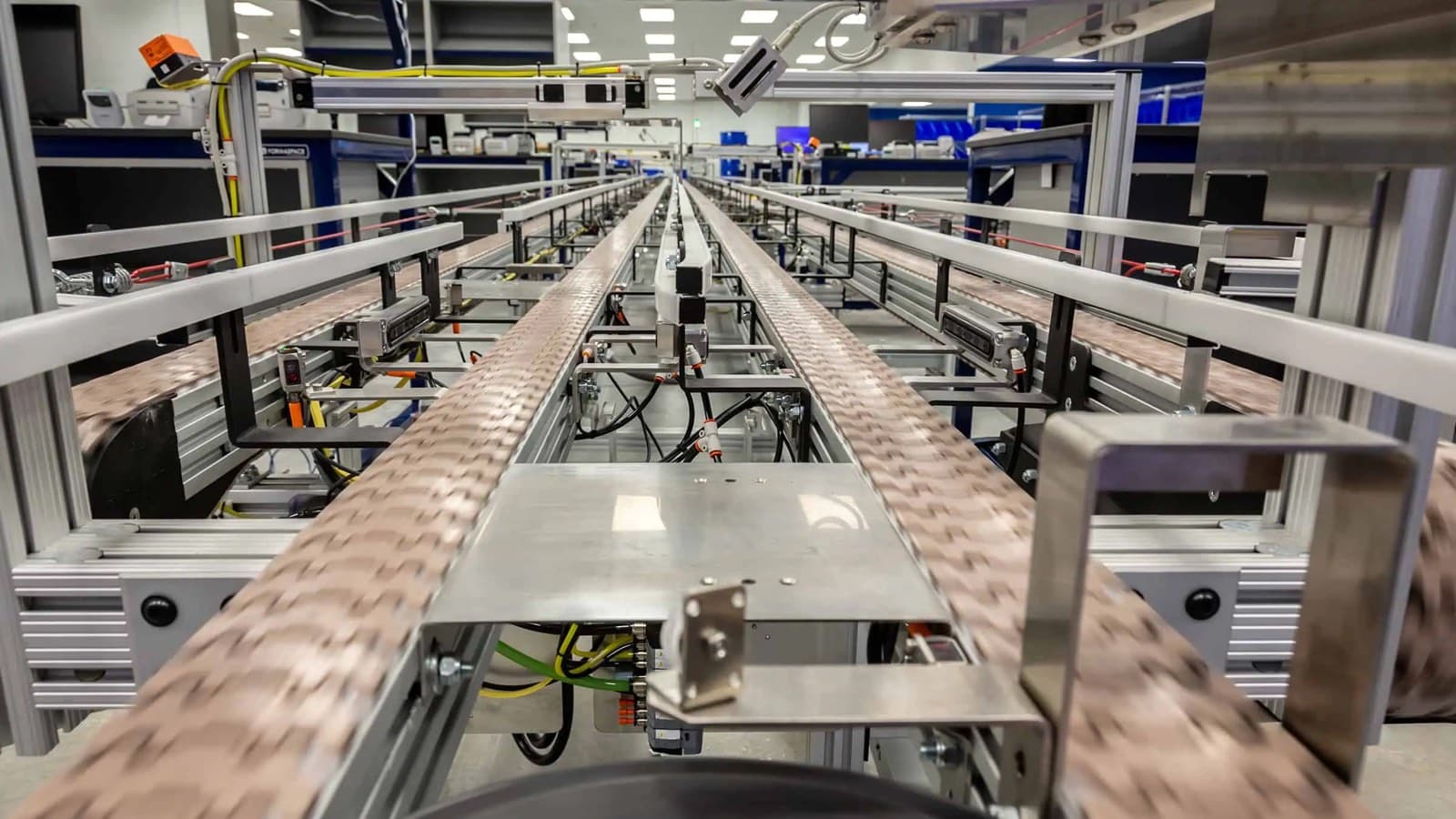
Manufacturing Facility Construction in El Paso, TX
Manufacturing facilities in the Borderplex carry a distinctive mix of requirements that distinguish them from standard warehouse shells. Maquila-affiliated operations frequently bring CNC machinery, precision assembly lines, and automated material handling systems that require tighter slab flatness, vibration-isolated equipment pads, and utility distribution corridors designed around Cd. Juárez process engineer specifications. Defense-supply manufacturers in the Fort Bliss contractor corridor need anchor bolt layouts that match OEM tolerances and as-built documentation formats that pass military-facility acceptance review. Concrete Contractors of El Paso builds manufacturing floors to specification — whether that means grinding to FF60 tolerances for a precision machining tenant, placing acid-resistant floor toppings in a chemical processing zone, or forming curved trench drains in a food-grade production area. We coordinate with the structural engineer, process mechanical team, and equipment installation crews from preconstruction so concrete scope doesn't create rework after the equipment is on site.
Manufacturing concrete in the Borderplex is precision work that starts with the equipment vendor's anchor bolt layout and works backward to the foundation and slab design. Maquila-affiliated manufacturers — Tier-1 automotive suppliers, aerospace component producers, consumer electronics assemblers — bring OEM-specified equipment that has anchor patterns, vibration isolation requirements, and floor load specifications that must be met exactly. When an automotive OEM specifies that a robotic welding cell foundation must have anchor bolts positioned to ±1/8 inch, held in template by tied rebar cages before concrete is placed, and post-pour surveyed with documentation submitted to the OEM's quality system, that is a standard we meet as a matter of course, not as an exceptional request. Concrete Contractors of El Paso has executed manufacturing concrete scopes where the quality documentation went directly into a Tier-1 supplier's IATF 16949 quality records — the same quality system that governs the automotive manufacturing process on the Juárez side of the line.
Process trench and drain concrete in El Paso manufacturing facilities reflects the diversity of the manufacturing base. Food-grade processing facilities need trench drains with stainless steel frames, concrete surround sloped at 1 percent minimum, and wall coves that eliminate horizontal surfaces where bacteria harbor. Chemical processing facilities need acid-resistant floor toppings over concrete substrate that must be free of the calcium carbonate deposits that El Paso's hard, alkaline water leaves on concrete surfaces during curing. Electronic assembly facilities need static-dissipative floor toppings applied to concrete substrates that have been ground and profiled to ICRI CSP 3 for proper adhesion. We coordinate the floor system selection with the facility's specific process chemistry and El Paso water chemistry before specifying concrete mix and topping products.
Project Context and Delivery Priorities
In El Paso, manufacturing facility construction projects usually succeed when preconstruction, field access, and turnover planning are treated as one sequence instead of disconnected tasks. We stay close to the owner, design team, and key trades from the earliest scope conversations so the delivery plan reflects the real site constraints, the expected handoff dates, and the operational pressure that often comes with commercial work in the Borderplex.
Before mobilization, we look at permits, utility windows, haul routes, staging needs, and any overlaps with active operations or neighboring development. That matters in El Paso because many sites combine tight access, weather exposure, and multiple jurisdictional touchpoints. The goal is not only to start work quickly, but to start in a way that protects productivity after the first trade arrives on site.
Once work is underway, the emphasis shifts to sequencing and accountability. We track the work by milestone, keep communication practical, and make sure each handoff leaves the next crew with a clean path forward. That approach helps owners avoid the slow drift that can happen when field decisions, submittals, and change coordination are left to accumulate until the end of the job.
As the project closes out, we focus on punch resolution, documentation, and operational readiness. For owners and facility teams, the best handoff is one that explains what was built, how the systems were coordinated, and what should be watched during the first months after turnover. That is the standard we try to maintain on every manufacturing facility construction assignment.
Scope Coverage
- Production bay slabs with precision-flatness grinding for maquila CNC and assembly equipment
- Equipment pad concrete with OEM-matching anchor bolt templates and vibration isolation detailing
- Process utility trench, drain, and embedded conduit coordination with Cd. Juárez engineers
- Expansion-ready structural capacity for future maquila production line additions
The scope above is most effective when it is structured for the specific end use of the building, the access constraints on the site, and the owner's expected turnover window. We use those priorities to keep the work aligned with the build instead of treating each task as a standalone event.
Delivery Process
- Program translation into concrete package scopes with maquila process engineer input
- Utility coordination with process and base-building teams, including Spanish-language RFI routing
- Milestone inspections and zone-by-zone turnover aligned to equipment installation windows
- Final startup documentation in both English and Spanish for binational facility operations
During delivery, we keep an eye on the items that usually create the most friction: submittal timing, trade stacking, access changes, material lead times, and inspection readiness. Keeping those issues visible early makes the schedule easier to protect later.
Why Choose Us
- OEM-tolerance anchor bolt installation with template control, survey documentation, and IATF 16949 quality record compatibility
- Process trench and drain concrete specified for food-grade, chemical, and electronic assembly requirements
- El Paso water chemistry and alkalinity inputs integrated into concrete substrate and floor topping selection
Typical Timeline
Shell and foundation: 8–14 months depending on facility size and process complexity. Process area fit-out: add 6–18 months aligned to equipment installation and maquila startup windows.
Planning Notes For Owners and Operators
Scope clarity matters early because manufacturing facility construction work often affects downstream trades, equipment placement, and opening dates.
The strongest schedules come from realistic phasing, not optimistic assumptions about how quickly all crews can move through the same space.
If the project touches multiple jurisdictions or corridor access points, we map those dependencies before the first field activity begins.
Owners usually benefit from early procurement checks on reinforcing steel, embeds, specialty concrete mixes, and any finish requirements that could change curing or turnover timing.
When a site stays active during construction, we also plan around access separation, safety controls, and the order in which areas can realistically be released back to operations.
Coordination That Protects Turnover
The strongest manufacturing facility construction deliveries in El Paso are the ones that account for owner operations long before the last punch walk. We keep closeout, access restoration, and documentation in view throughout the job so final turnover does not feel like a separate phase that starts after the work is already complete.
Service Area Alignment
We provide manufacturing facility construction support in El Paso, TX, and nearby Texas and New Mexico markets where schedule control and concrete quality are essential.
Manufacturing Facility Construction FAQs
OEM anchor bolt tolerances for precision manufacturing equipment — typically ±1/8 inch position and ±1/16 inch elevation — require a fabricated steel template anchored to the reinforcement cage before concrete is placed, not a layout from anchor bolts held by hand during placement. We fabricate templates from the OEM's anchor bolt layout drawing, have the template reviewed by the structural engineer, and survey the template position with total station equipment to confirm location before concrete placement begins. After concrete achieves adequate strength, we resurvey bolt positions and document the as-built coordinates — a deliverable that goes directly into the OEM's installation record for equipment warranty.
Maquila equipment installation windows are often set by the Cd. Juárez factory's production schedule — the equipment moves when the Juárez line is retooled, and the El Paso facility needs to be ready to receive it. We back-plan from the equipment delivery date to establish when each foundation, equipment pad, and utility stub must be complete for anchor bolt installation, and we track those milestones against the overall construction schedule. If concrete quality or schedule issues threaten a pad completion date, we escalate immediately rather than waiting until the equipment delivery date is two weeks away and the pad is still curing.
Manufacturing facilities in the Borderplex often have multiple floor chemistry zones: a general production area with standard hard-troweled concrete, a chemical processing zone with acid-resistant epoxy topping, a wash station with chemically resistant coating and trench drain, and a precision assembly area with static-dissipative flooring. We specify each zone separately based on the process chemistry and equipment loading, coordinate substrate preparation between concrete placement and topping application, and manage the sequencing so high-traffic areas don't receive pedestrian and equipment damage before protective toppings are applied and cured.
Related Service Pages
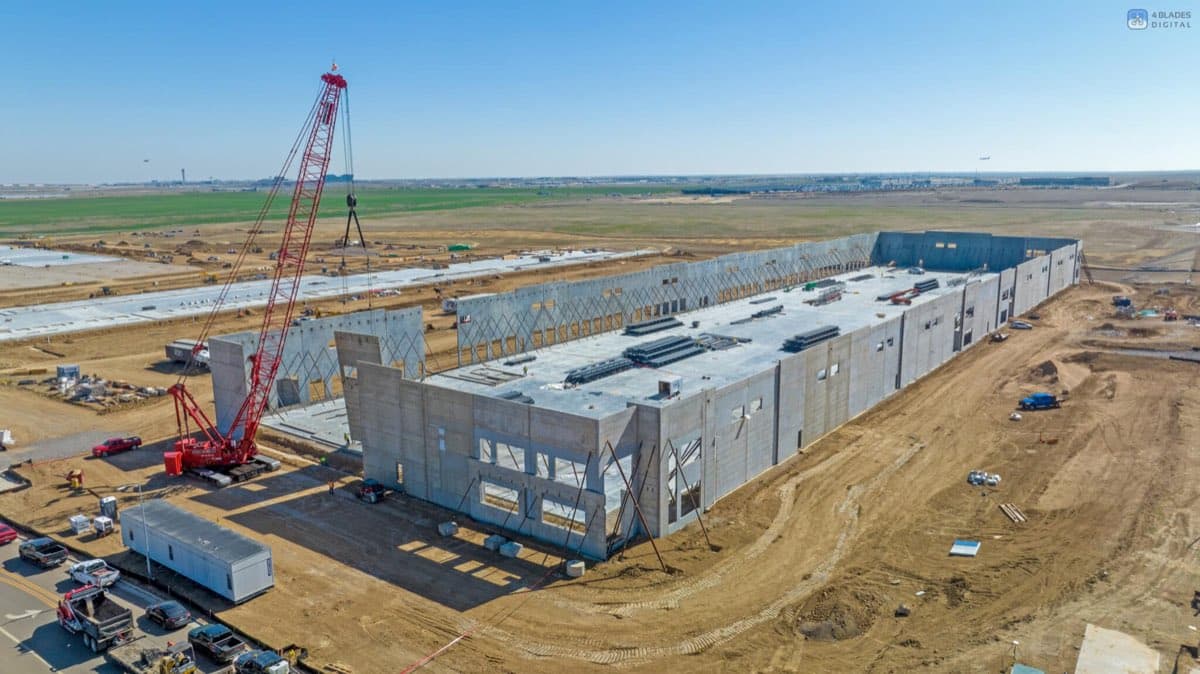
Tilt-Wall Construction
Engineered tilt-wall shells for distribution, maquila-support, and industrial facilities across the Borderplex — poured on caliche-stabilized beds and stood in El Paso's low-humidity desert air.
Open Service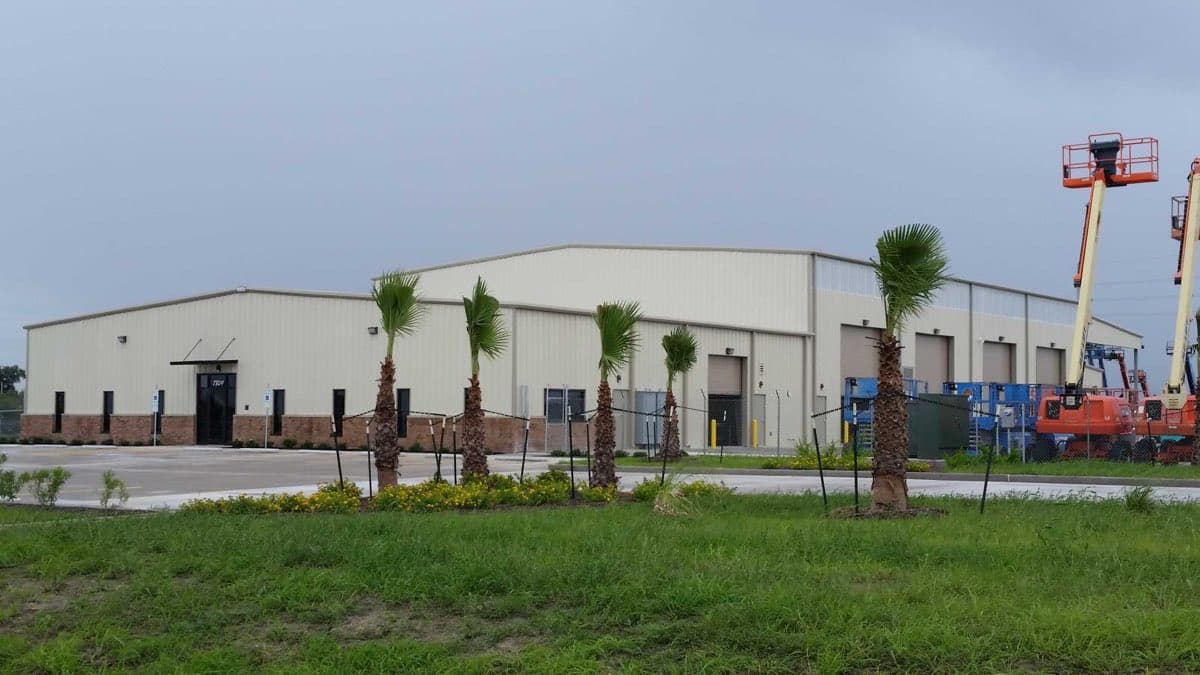
Warehouse Construction
Ground-up and expansion warehouse builds designed for BNSF/UP intermodal connectivity, Cd. Juárez maquila supply chains, and the El Paso/Santa Teresa logistics corridor.
Open Service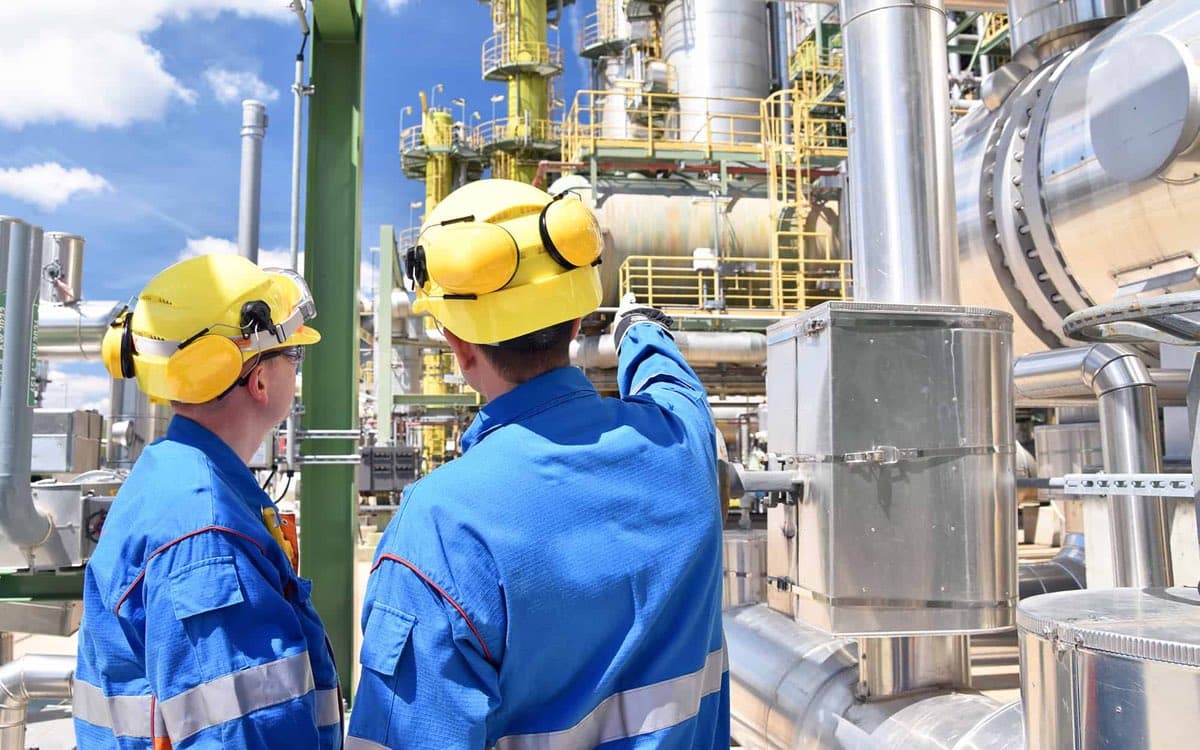
Industrial Construction
Industrial facility construction for maquiladora-support manufacturing, Fort Bliss defense logistics, and Borderplex process environments where sequencing and safety compliance are non-negotiable.
Open Service
Commercial Construction
Commercial general contracting for El Paso's Sun City corridor — from UTEP-adjacent medical office to West El Paso mixed-use redevelopment — with concrete expertise at the foundation of every scope.
Open Service