
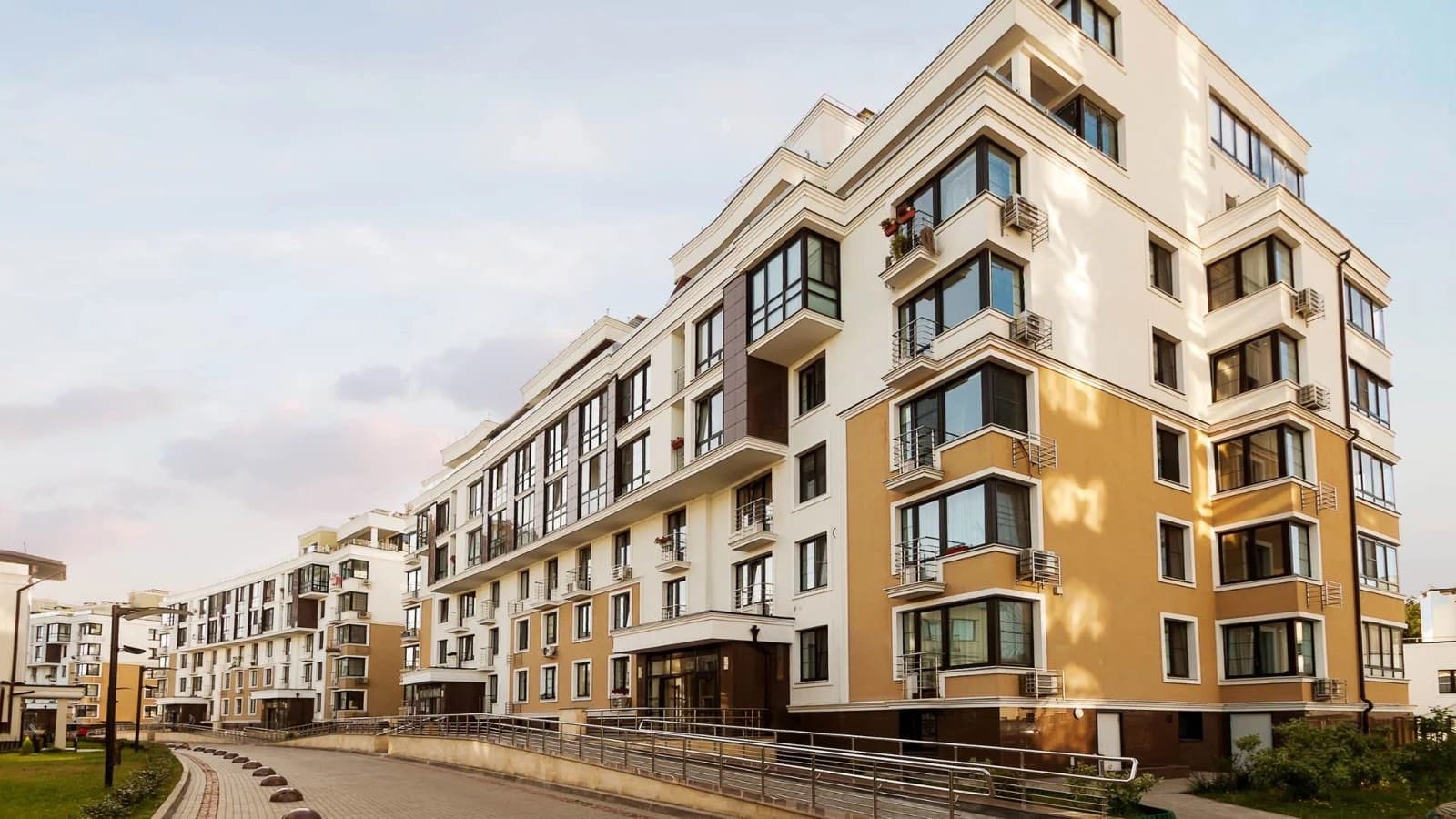
Multifamily Construction in El Paso, TX
El Paso's multifamily market is sustained by Fort Bliss personnel housing demand, UTEP and El Paso Community College student housing need, and a large working-class Hispanic family demographic that moves between ownership and rental based on multi-generational household formation cycles. Concrete Contractors of El Paso approaches multifamily from a concrete-trade foundation: slab-on-grade design for ground-floor units, post-tension elevated decks for podium structures, and flatwork quality for shared corridors and parking fields that needs to survive El Paso's thermal-cycling extremes. We bring the same caliche-aware subgrade protocols to multifamily sites as we do to industrial slabs, because the consequences of differential settlement under a three-story garden complex are serious and expensive to remediate. Our phased turnover model keeps leasing schedules intact — we sequence building envelopes, unit finishes, and amenity spaces so the property management team can begin occupancy in completed buildings while construction continues in adjacent phases.
Multifamily construction in El Paso draws from three distinct demand sources that shape how we phase and deliver projects. Fort Bliss housing demand is the most predictable — BAH rates support a specific rent band, and activation of new residential phases is driven by unit availability rather than speculative lease-up timing. UTEP and El Paso Community College generate student and young-professional demand concentrated on the West Side and Northeast El Paso, close to academic facilities. The broadest demand base is El Paso's working-class and middle-class Hispanic family rental market — multi-generational households that cycle between homeownership and rental as family formation stages change, where the unit size, parking allocation, and common area design matter more than luxury amenity packages. Concrete Contractors of El Paso builds multifamily concrete with those occupancy profiles in mind: ground-floor slab subgrade preparation that accounts for El Paso's caliche and alkaline soil chemistry, post-tension elevated deck concrete for podium structures that needs to perform for 30 years under El Paso's UV exposure, and parking flatwork with joint layouts that survive the thermal cycling between Fort Bliss's winter freeze events and 100-degree summer afternoons.
Phased delivery on El Paso multifamily projects requires coordinating certificate-of-occupancy timing with leasing strategy, which means concrete scope must advance by building rather than by block or zone. We sequence concrete framing — elevated decks, stair towers, and balcony slabs — by building, stage utility tie-ins so each building can be independently permitted and occupied, and deliver amenity concrete — pool deck, clubhouse flatwork, and pedestrian plaza — on a timeline that gives residents access to shared spaces when the first occupancy certificates are issued. The bilingual coordination requirement on El Paso multifamily is significant: the leasing team, the property management office, and the construction crew may all need to communicate with each other in Spanish before the building is handed over.
Project Context and Delivery Priorities
In El Paso, multifamily construction projects usually succeed when preconstruction, field access, and turnover planning are treated as one sequence instead of disconnected tasks. We stay close to the owner, design team, and key trades from the earliest scope conversations so the delivery plan reflects the real site constraints, the expected handoff dates, and the operational pressure that often comes with commercial work in the Borderplex.
Before mobilization, we look at permits, utility windows, haul routes, staging needs, and any overlaps with active operations or neighboring development. That matters in El Paso because many sites combine tight access, weather exposure, and multiple jurisdictional touchpoints. The goal is not only to start work quickly, but to start in a way that protects productivity after the first trade arrives on site.
Once work is underway, the emphasis shifts to sequencing and accountability. We track the work by milestone, keep communication practical, and make sure each handoff leaves the next crew with a clean path forward. That approach helps owners avoid the slow drift that can happen when field decisions, submittals, and change coordination are left to accumulate until the end of the job.
As the project closes out, we focus on punch resolution, documentation, and operational readiness. For owners and facility teams, the best handoff is one that explains what was built, how the systems were coordinated, and what should be watched during the first months after turnover. That is the standard we try to maintain on every multifamily construction assignment.
Scope Coverage
- Ground-floor slab, post-tension deck, and elevated-concrete-deck framing coordination
- Amenity, clubhouse, and pool area flatwork with Saltillo-tile-compatible concrete substrates
- Unit turnover quality management by phase aligned to Fort Bliss and UTEP leasing calendars
- Sitework and parking flatwork with joint layouts for El Paso's thermal-cycling climate
The scope above is most effective when it is structured for the specific end use of the building, the access constraints on the site, and the owner's expected turnover window. We use those priorities to keep the work aligned with the build instead of treating each task as a standalone event.
Delivery Process
- Phased scheduling aligned to leasing strategy and Fort Bliss demand cycles
- Bilingual trade sequencing and QA checks across Spanish-first subcontractor crews
- Progressive city inspection and certificate-of-occupancy turnover planning by building
- Final closeout documentation and warranty package delivery by phase
During delivery, we keep an eye on the items that usually create the most friction: submittal timing, trade stacking, access changes, material lead times, and inspection readiness. Keeping those issues visible early makes the schedule easier to protect later.
Why Choose Us
- Post-tension elevated deck concrete with desert-UV-rated finishing specifications for 30-year durability
- Building-by-building phased delivery that aligns certificate-of-occupancy with leasing activation for Fort Bliss and UTEP demand cycles
- Bilingual construction coordination for Spanish-first crews, leasing teams, and property management
Typical Timeline
Garden-style: 12–18 months. Podium structure: 18–24 months. Phased turnover by building as concrete framing and MEP complete per structure.
Planning Notes For Owners and Operators
Scope clarity matters early because multifamily construction work often affects downstream trades, equipment placement, and opening dates.
The strongest schedules come from realistic phasing, not optimistic assumptions about how quickly all crews can move through the same space.
If the project touches multiple jurisdictions or corridor access points, we map those dependencies before the first field activity begins.
Owners usually benefit from early procurement checks on reinforcing steel, embeds, specialty concrete mixes, and any finish requirements that could change curing or turnover timing.
When a site stays active during construction, we also plan around access separation, safety controls, and the order in which areas can realistically be released back to operations.
Coordination That Protects Turnover
The strongest multifamily construction deliveries in El Paso are the ones that account for owner operations long before the last punch walk. We keep closeout, access restoration, and documentation in view throughout the job so final turnover does not feel like a separate phase that starts after the work is already complete.
Service Area Alignment
We provide multifamily construction support in El Paso, TX, and nearby Texas and New Mexico markets where schedule control and concrete quality are essential.
Multifamily Construction FAQs
Fort Bliss BAH (Basic Allowance for Housing) demand peaks when units PCS (Permanent Change of Station) in summer — June through August is the highest-demand period for rental units near the installation. We align concrete framing and unit turnover schedules to produce building-by-building certificates of occupancy before the summer PCS window when possible. That means starting framing on the first building as early as permits allow and not waiting for the full project to be under construction before committing to phased concrete delivery.
El Paso podium deck concrete needs to handle freeze-thaw cycles in Northeast El Paso and Fort Bliss-adjacent areas — typically 15 to 25 freeze nights per winter — combined with extreme UV exposure and low humidity that accelerates surface carbonation. We specify 5,000-psi minimum for podium decks with air entrainment for freeze-thaw resistance, low water-cement ratio at or below 0.40, and a silica fume addition to reduce permeability and protect post-tension tendon grout from chloride and sulfate ingress. These specifications add modest cost but prevent the tendon corrosion failures that shorten podium deck service life in aggressive desert environments.
Bilingual site supervision is standard on our El Paso multifamily projects — not an add-on. Concrete crew, framing crew, and MEP rough-in teams in El Paso are predominantly Spanish-first, and directing them through monolingual English supervision creates communication gaps that show up in quality and safety events. Our superintendents hold Spanish-language toolbox talks, issue Spanish-language quality checklists for unit inspections, and conduct Spanish-language pre-pour briefings with concrete crews. Spanish-language punch list documentation is available for property management teams who will be conducting ongoing unit inspections after turnover.
Related Service Pages
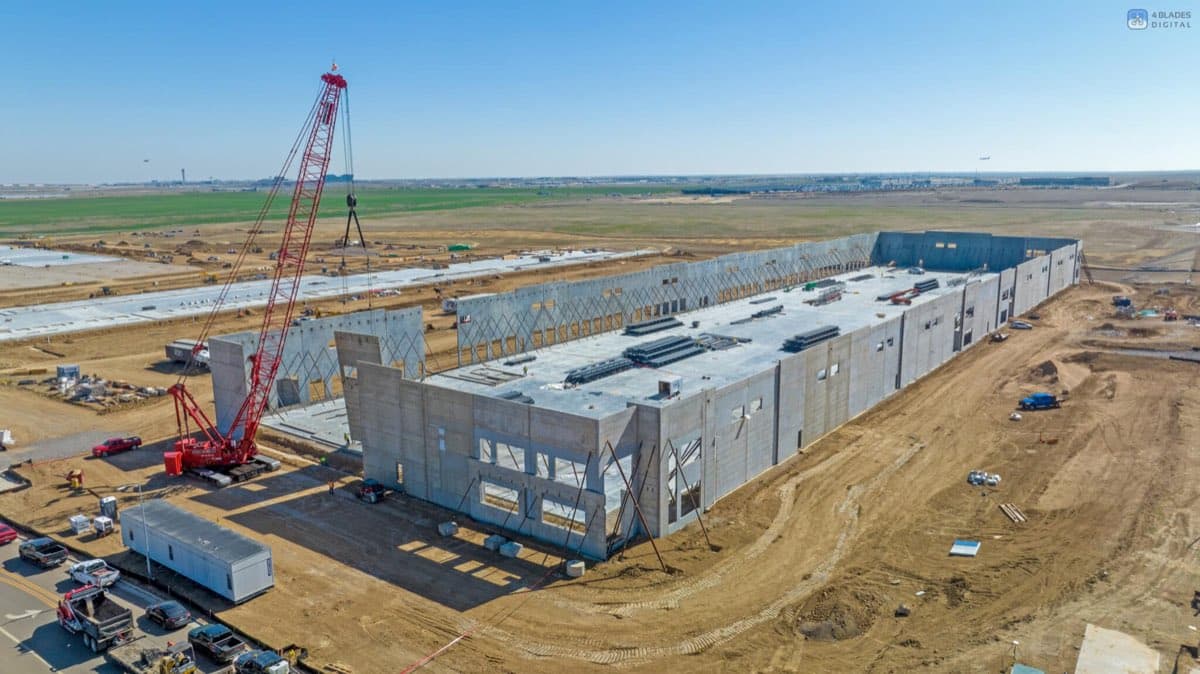
Tilt-Wall Construction
Engineered tilt-wall shells for distribution, maquila-support, and industrial facilities across the Borderplex — poured on caliche-stabilized beds and stood in El Paso's low-humidity desert air.
Open Service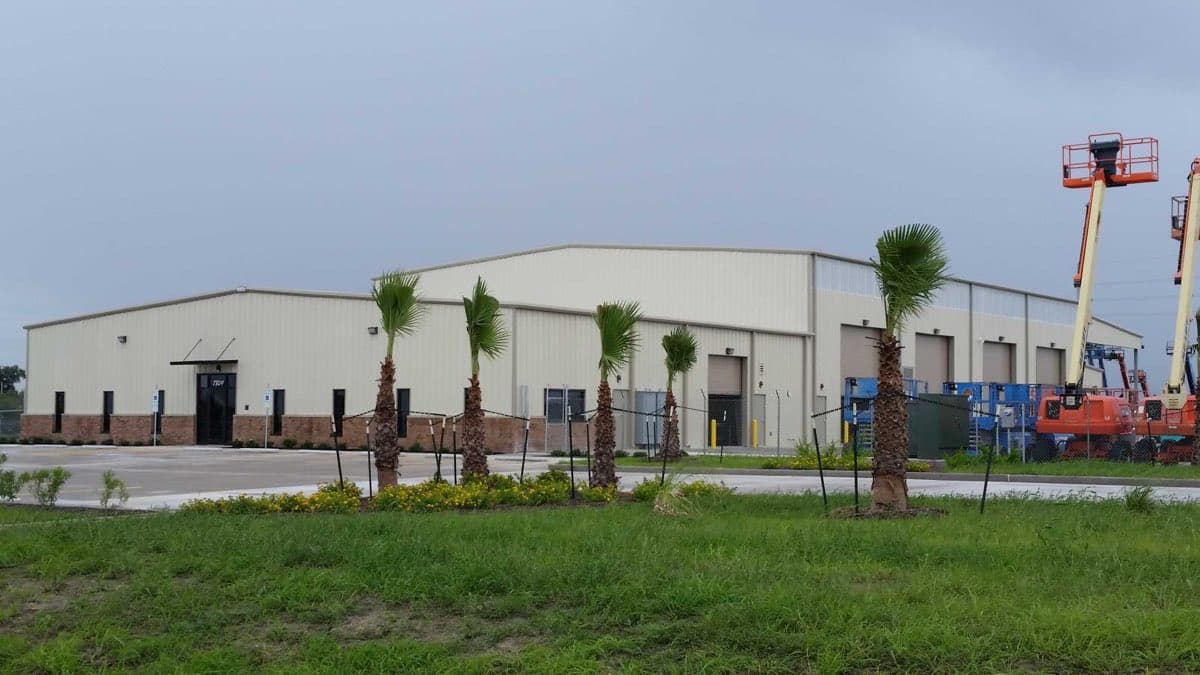
Warehouse Construction
Ground-up and expansion warehouse builds designed for BNSF/UP intermodal connectivity, Cd. Juárez maquila supply chains, and the El Paso/Santa Teresa logistics corridor.
Open Service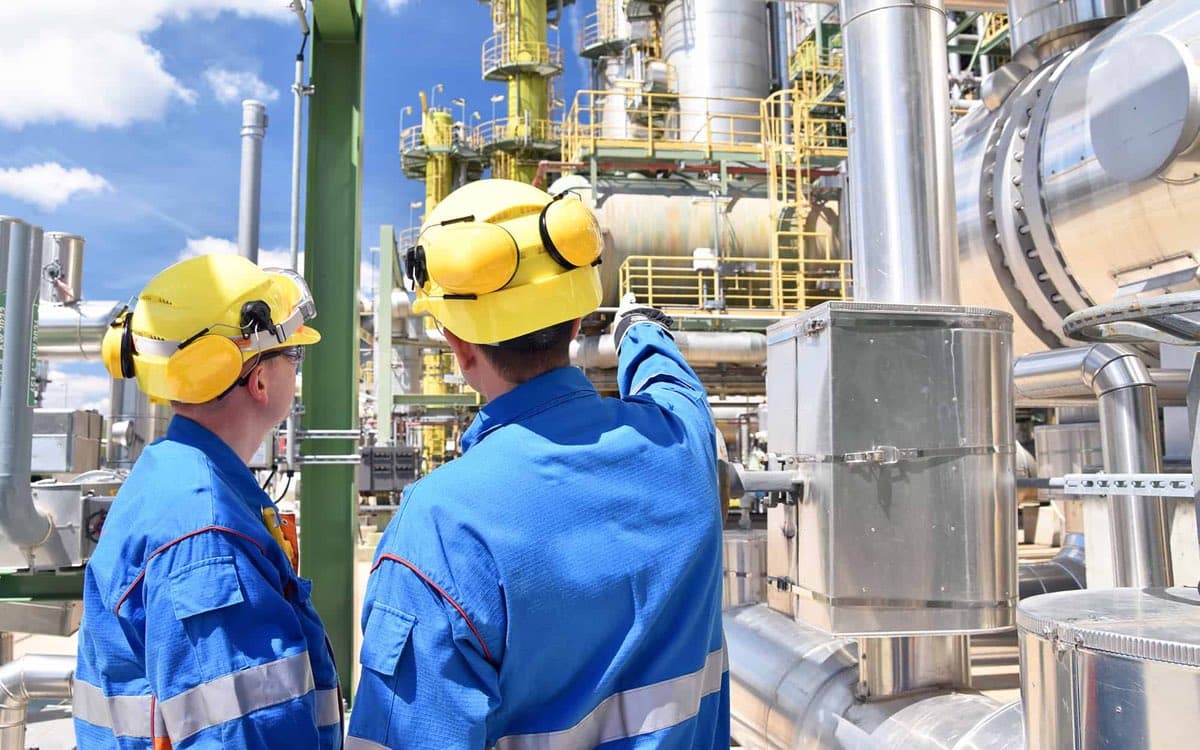
Industrial Construction
Industrial facility construction for maquiladora-support manufacturing, Fort Bliss defense logistics, and Borderplex process environments where sequencing and safety compliance are non-negotiable.
Open Service
Commercial Construction
Commercial general contracting for El Paso's Sun City corridor — from UTEP-adjacent medical office to West El Paso mixed-use redevelopment — with concrete expertise at the foundation of every scope.
Open Service