
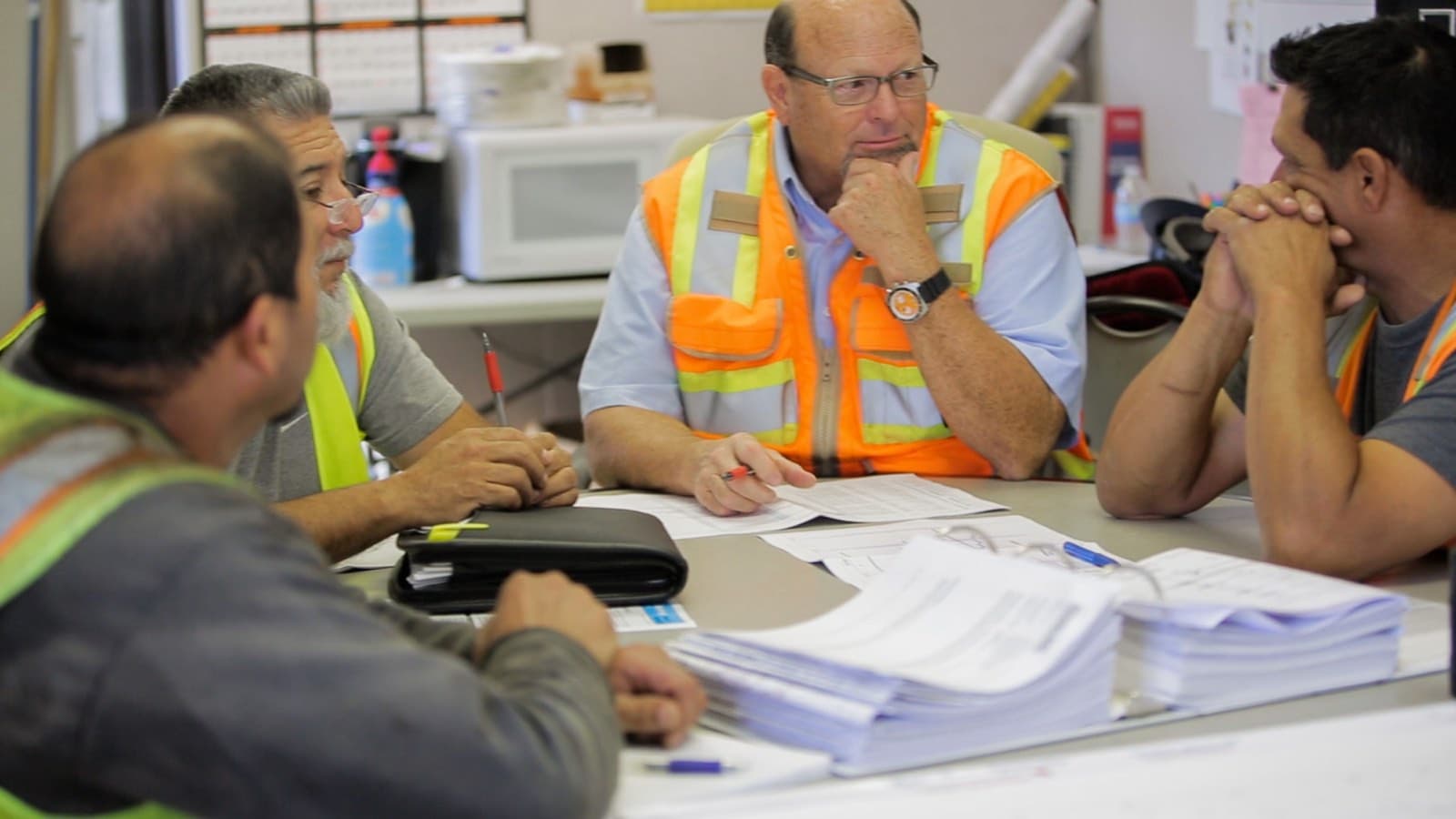
Value Engineering Services in El Paso, TX
Value engineering in a concrete-intensive El Paso project requires local technical knowledge to be meaningful. Generic VE recommendations from national estimating databases often miss the El Paso-specific cost drivers: caliche breaking and removal adds real excavation cost that fly-ash fill stabilization might replace; sulfate-resistant Type V cement carries a price premium over Type I that alternative blended cements or pozzolan additions can partially offset without reducing sulfate resistance performance; and pour scheduling adjustments that shift flatwork placements from high-heat afternoon windows to early-morning crews can reduce the cost of curing materials, rework, and warranty callbacks enough to justify the overtime mobilization. Concrete Contractors of El Paso brings concrete-trade technical expertise to VE workshops that goes beyond substituting materials on a schedule-of-values line. We evaluate the lifecycle cost of concrete decisions in the context of El Paso's alkaline soils, extreme UV exposure, and monsoon-season drainage demands, and we present alternatives with explicit tradeoffs — not only savings numbers — so owners make decisions with complete information about durability consequences.
Value engineering in El Paso concrete projects is most productive when it addresses the three cost drivers that are genuinely El Paso-specific rather than recycling generic VE options from national estimating databases. The first is caliche management: the choice between breaking and removing caliche versus using it as stabilized structural fill affects earthwork cost by 15 to 40 percent on El Paso industrial sites, and the right answer depends on caliche gradation, thickness, and the structural slab design load — a determination that requires geotechnical data and concrete design coordination, not a generic cost-per-yard comparison. The second is sulfate-resistant cement: Type V cement costs 15 to 25 percent more than Type I/II, but blended cements with 30 to 40 percent slag or Type IP with adequate pozzolan content can achieve equivalent sulfate resistance at 5 to 15 percent premium — a real cost reduction that doesn't sacrifice durability if the blend is properly specified for the measured soil sulfate level. The third is pour-schedule optimization: flatwork and slab scopes where El Paso summer heat risk is high can be shifted to early morning pours or fall-through-spring construction windows, reducing evaporation-control material costs and warranty callback risk in ways that more than offset the scheduling overhead.
Decorative concrete VE in El Paso is a specific opportunity area because the market's strong Spanish-Colonial and Pueblo architectural identity creates demand for decorative finishes that range widely in cost and durability. Imported Saltillo tile is a common alternative for pedestrian plazas, but its maintenance burden in El Paso's freeze-thaw and UV environment is high — resealing every 18 months, replacement of cracked tiles after freeze events, and joint grout deterioration that creates trip hazards. Concrete Contractors of El Paso presents integral-colored concrete with tooled joints as a lower-maintenance alternative that achieves the warm, hand-crafted aesthetic of Saltillo with 40-year service life and essentially zero resealing maintenance in El Paso's low-rainfall environment. The concrete alternative typically costs 30 to 50 percent less than Saltillo installed, with dramatically lower lifetime maintenance cost — a genuine VE win rather than a quality compromise.
Project Context and Delivery Priorities
In El Paso, value engineering services projects usually succeed when preconstruction, field access, and turnover planning are treated as one sequence instead of disconnected tasks. We stay close to the owner, design team, and key trades from the earliest scope conversations so the delivery plan reflects the real site constraints, the expected handoff dates, and the operational pressure that often comes with commercial work in the Borderplex.
Before mobilization, we look at permits, utility windows, haul routes, staging needs, and any overlaps with active operations or neighboring development. That matters in El Paso because many sites combine tight access, weather exposure, and multiple jurisdictional touchpoints. The goal is not only to start work quickly, but to start in a way that protects productivity after the first trade arrives on site.
Once work is underway, the emphasis shifts to sequencing and accountability. We track the work by milestone, keep communication practical, and make sure each handoff leaves the next crew with a clean path forward. That approach helps owners avoid the slow drift that can happen when field decisions, submittals, and change coordination are left to accumulate until the end of the job.
As the project closes out, we focus on punch resolution, documentation, and operational readiness. For owners and facility teams, the best handoff is one that explains what was built, how the systems were coordinated, and what should be watched during the first months after turnover. That is the standard we try to maintain on every value engineering services assignment.
Scope Coverage
- Concrete mix design alternatives — Type V versus blended pozzolan versus GGBS — with El Paso soil-chemistry analysis
- Caliche stabilization versus removal cost-benefit analysis for foundation and slab subgrade scopes
- Pour-schedule optimization to reduce curing material costs and thermal-cracking risk in desert conditions
- Decorative concrete alternative analysis for Spanish-Colonial finish goals at different cost points
The scope above is most effective when it is structured for the specific end use of the building, the access constraints on the site, and the owner's expected turnover window. We use those priorities to keep the work aligned with the build instead of treating each task as a standalone event.
Delivery Process
- El Paso-specific VE workshop with design and ownership teams, bilingual participation available
- Option modeling with local market pricing, lifecycle durability impacts, and schedule effects
- Selection alignment and concrete specification updates for accepted alternatives
- Implementation tracking during field execution to confirm VE assumptions hold under actual conditions
During delivery, we keep an eye on the items that usually create the most friction: submittal timing, trade stacking, access changes, material lead times, and inspection readiness. Keeping those issues visible early makes the schedule easier to protect later.
Why Choose Us
- El Paso-specific VE focus: caliche management, sulfate-resistant cement alternatives, and pour-schedule optimization — not generic national VE templates
- Integral-colored concrete as long-life, low-maintenance alternative to Saltillo tile for Pueblo-style plaza applications
- Lifecycle cost analysis that includes El Paso's freeze-thaw, UV, and alkaline maintenance environment — not only first-cost comparison
Typical Timeline
VE workshop: 1–2 weeks with design and owner teams. Alternative specification documentation: 1–2 weeks. Implementation monitoring: throughout field execution to confirm VE assumptions hold.
Planning Notes For Owners and Operators
Scope clarity matters early because value engineering services work often affects downstream trades, equipment placement, and opening dates.
The strongest schedules come from realistic phasing, not optimistic assumptions about how quickly all crews can move through the same space.
If the project touches multiple jurisdictions or corridor access points, we map those dependencies before the first field activity begins.
Owners usually benefit from early procurement checks on reinforcing steel, embeds, specialty concrete mixes, and any finish requirements that could change curing or turnover timing.
When a site stays active during construction, we also plan around access separation, safety controls, and the order in which areas can realistically be released back to operations.
Coordination That Protects Turnover
The strongest value engineering services deliveries in El Paso are the ones that account for owner operations long before the last punch walk. We keep closeout, access restoration, and documentation in view throughout the job so final turnover does not feel like a separate phase that starts after the work is already complete.
Service Area Alignment
We provide value engineering services support in El Paso, TX, and nearby Texas and New Mexico markets where schedule control and concrete quality are essential.
Value Engineering Services FAQs
The three highest-value VE opportunities on El Paso concrete projects are caliche use-in-place versus removal and import, sulfate-resistant cement alternative selection, and pour-schedule optimization. Caliche reuse as CCB fill rather than removal and conventional fill import can save $150,000 to $500,000 on large industrial sites. Blended cement alternatives to full Type V — slag cement blends or Type IP with pozzolan additions — can achieve equivalent sulfate resistance at 5 to 10 percent lower cement cost when the soil sulfate level is confirmed to be in the Class S1 rather than S2 range. Pour-schedule shift to early morning or fall/winter windows reduces curing material cost and warranty callback risk enough to more than offset overtime mobilization costs on large flatwork projects.
El Paso's extreme UV exposure, freeze-thaw cycling in northeast areas, and monsoon-season drainage events create a durability environment that makes surface-applied decorative products — sealers, stains, coatings — significantly higher maintenance than integral decorative approaches. We present lifecycle cost comparisons over a 20-year horizon for alternatives like: imported Saltillo tile at higher first cost plus $8,000 to $15,000 in annual resealing and crack repair versus integral-colored exposed-aggregate concrete at moderate first cost and near-zero maintenance. For most El Paso owners, the concrete alternative wins on 20-year cost even when it has higher first cost than a sealer-based decorative approach, because El Paso's climate makes sealer reapplication a consistent annual expense.
We prepare VE documentation in English and Spanish for projects where the ownership team includes Spanish-first decision-makers. VE option summaries in Spanish include the technical tradeoff in plain-language terms that a non-engineer investor can evaluate — not translated engineering jargon that requires a second interpreter to understand. We track accepted VE items through procurement and field execution with Spanish-language confirmation documentation when applicable, and we include VE savings in the owner's monthly progress report with clear attribution to each decision so the ownership team can confirm the savings were actually realized rather than absorbed by scope changes elsewhere.
Related Service Pages
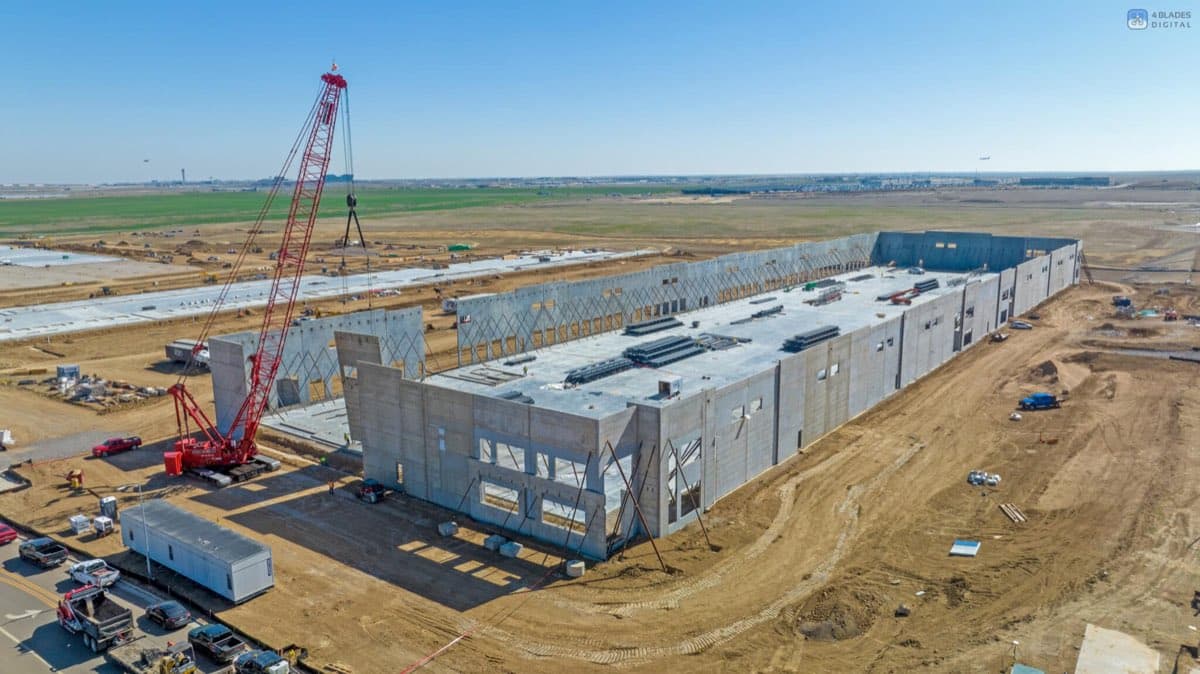
Tilt-Wall Construction
Engineered tilt-wall shells for distribution, maquila-support, and industrial facilities across the Borderplex — poured on caliche-stabilized beds and stood in El Paso's low-humidity desert air.
Open Service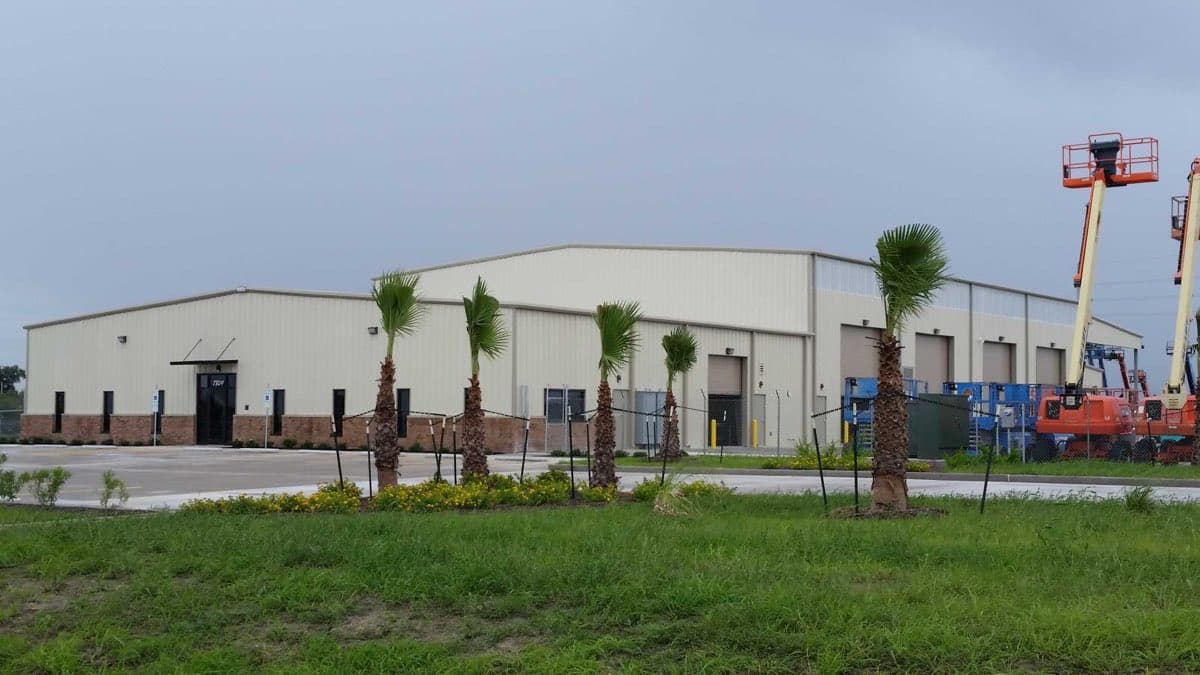
Warehouse Construction
Ground-up and expansion warehouse builds designed for BNSF/UP intermodal connectivity, Cd. Juárez maquila supply chains, and the El Paso/Santa Teresa logistics corridor.
Open Service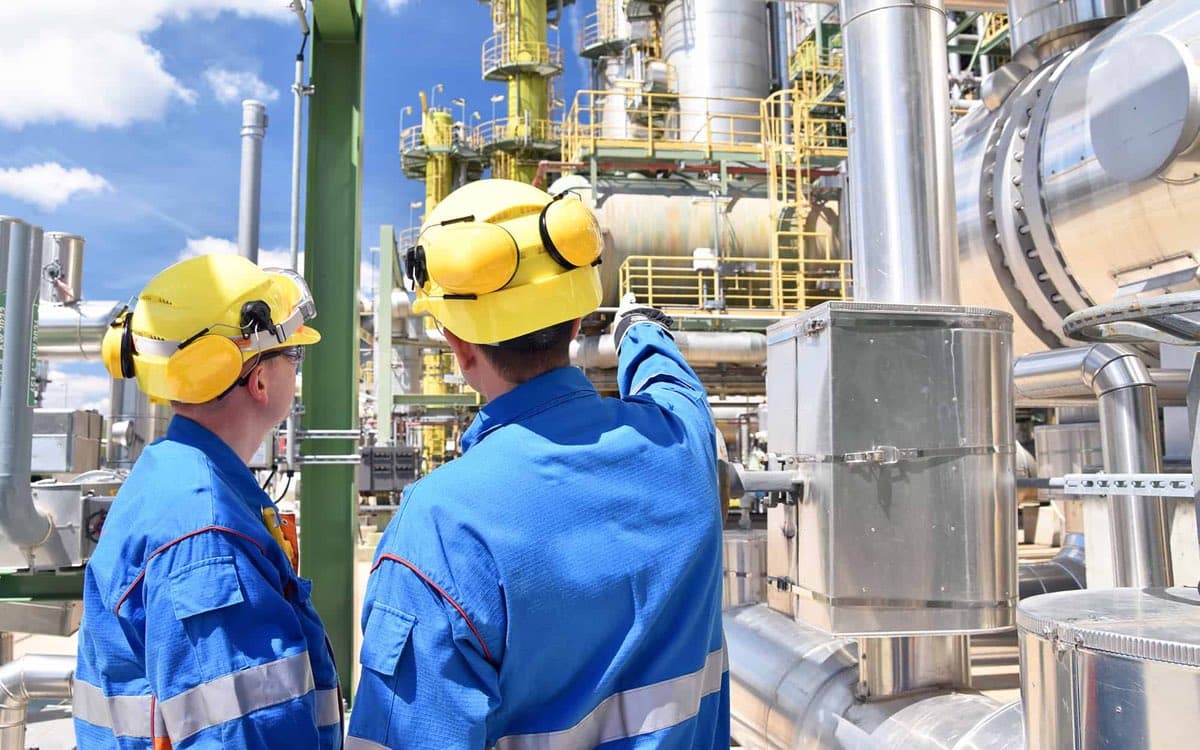
Industrial Construction
Industrial facility construction for maquiladora-support manufacturing, Fort Bliss defense logistics, and Borderplex process environments where sequencing and safety compliance are non-negotiable.
Open Service
Commercial Construction
Commercial general contracting for El Paso's Sun City corridor — from UTEP-adjacent medical office to West El Paso mixed-use redevelopment — with concrete expertise at the foundation of every scope.
Open Service