
Local Project Support in Lower Valley
Lower Valley development requires balanced planning between site constraints, utility pathways, and building schedule goals. Our team structures scopes to keep earthwork, paving, and vertical construction synchronized through each phase.
Lower Valley encompasses the southeast El Paso corridor from the Socorro and San Elizario communities to the Ysleta and Americas Bridge area near the international boundary. The lower valley concrete market serves a predominantly working-class Hispanic community with owner-occupied commercial, multi-generational family investment properties, and the infrastructure-development demand that follows El Paso County's efforts to extend utilities and improve roads in the southeastern unincorporated areas. Concrete Contractors of El Paso serves the lower valley with concrete work that matches the market character: affordable commercial construction built for durability, drainage and utility infrastructure that supports continued residential densification, and the industrial concrete scopes that follow the Socorro and Mission Valley industrial growth corridors.
Lower valley concrete conditions reflect the Rio Grande alluvial geology at its most complex — the valley floor has been modified over centuries by Rio Grande channel migration, irrigation, and flood events that deposit variable fill sequences over caliche layers. Subgrade conditions here can change significantly within a single project footprint, with competent caliche at 2-foot depth in one area and soft alluvial fill at 4-foot depth 50 yards away. We probe subgrade conditions across the full footprint of lower valley construction sites before pricing foundation and slab scopes, and we price excavation equipment and subgrade treatment with zone-specific assumptions rather than site-averaged guesses.
Our teams coordinate from El Paso while supporting active jobsite needs in Lower Valleyand surrounding submarkets. We align planning and field execution for civil, structural concrete, and full general contracting scopes.
Market Context and Delivery Priorities
Projects in Lower Valley work best when access, utilities, and vertical milestones are mapped together. That is especially true in a market like El Paso, where some sites are navigating active corridors, while others are balancing redevelopment constraints, utility coordination, and the need to stay open to customers or occupants while work is in progress.
Our teams use the local context to shape the delivery plan instead of applying the same sequence everywhere. We look at truck routes, inspection timing, neighboring uses, and the likely pressure points on the site, then build a schedule that reflects how the project will actually be built. That keeps communication more useful for owners and operators.
When a location spans more than one phase or one type of scope, we keep the handoffs visible so civil, building, and finish work do not compete for the same access or resources. That helps owners avoid the usual bottlenecks that show up when site work, utility coordination, and interior completion are all happening at once.
A strong closeout matters just as much as a clean start. For facilities in and around Lower Valley, the best outcome is a handoff that leaves the owner with a clear record of what was built, what remains under warranty, and how the site should be maintained once the crews leave.
Why This Area Matters
- Strong overlap with Socorro and San Elizario operations
- Utility-heavy sequencing support for developing parcels
- Reliable valley logistics coverage for concrete scopes
The relevance points above matter because they influence how crews are staged, how material deliveries are timed, and how the project moves from one milestone to the next without unnecessary downtime. That is what keeps the work practical for ownership groups and facility operators.
Local Considerations
- Variable Rio Grande alluvial fill over caliche — subgrade probing across full site footprint required before pricing foundation and slab
- El Paso County southeast corridor infrastructure extension — coordinate with county on utility service availability and road access improvements
- Lower valley working-class commercial market favors durable, cost-effective concrete solutions — lifecycle cost presentation resonates with owner-occupant investors
Planning Notes For Location-Based Projects
Local market conditions shape schedule, because Lower Valley may need different access, permit, or utility coordination than nearby markets.
We look at adjacent corridors and supplier routes early so the project does not lose momentum once material deliveries begin.
The best location plans are the ones that respect how people, trucks, and inspectors actually move through the site.
If the project relies on phased turnover, we define those release points early so site work, structural work, and interior follow-on activity do not compete for the same access.
Owners in Lower Valley also benefit from clear communication on long-lead items and jurisdiction sequencing, because those two issues can change what is realistically buildable week to week.
Why Local Sequencing Matters
Projects in Lower Valley usually run better when the schedule reflects how access, inspections, deliveries, and neighboring activity actually behave in that submarket. We use those local conditions to shape the build path so the project team is not forced to recover from avoidable sequencing misses later in the job.
Lower Valley Construction FAQs
Lower valley concrete sites require a geotechnical investigation that goes beyond a standard boring program designed for structural load analysis. We recommend sulfate testing at multiple depths — the Rio Grande alluvium in the lower valley can have elevated sulfate concentrations in specific horizons that aren't apparent from visual soil description. We also recommend groundwater monitoring during the monsoon season if any boring hits groundwater within 6 feet of the surface during dry-season drilling, so seasonal groundwater depth is characterized rather than assumed. Those investigation elements directly affect cement type selection, slab drainage design, and foundation waterproofing scope — concrete decisions that can't be corrected after the slab is poured.
El Paso County's southeast corridor infrastructure programs — utility extension, road improvement, and stormwater management — create ongoing civil concrete demand in the lower valley that we coordinate with county Public Works and the applicable utility districts. We have active relationships with El Paso County project managers and inspectors from previous lower valley work, which makes permit coordination and inspection scheduling predictable rather than uncertain. For county infrastructure concrete where as-built documentation and materials testing records must meet county record-keeping standards, we organize and deliver the closeout package in the format the county requires.
The lower valley working-class commercial market values durable, cost-effective concrete that performs for 30 years without requiring expensive maintenance — owner-occupant investors who develop strip centers and small commercial buildings for family business use or long-term hold don't have operating budgets for slab repair and joint resealing every 8-10 years. We recommend concrete specifications that optimize for long-term performance cost rather than first-cost minimization — proper joint spacing, sulfate-resistant cement where soil conditions indicate, and UV-stable joint sealant — and we explain the lifecycle cost rationale so owners can make an informed decision rather than defaulting to the cheapest specification that passes inspection.
Popular Services in Lower Valley
Tilt-Wall Construction
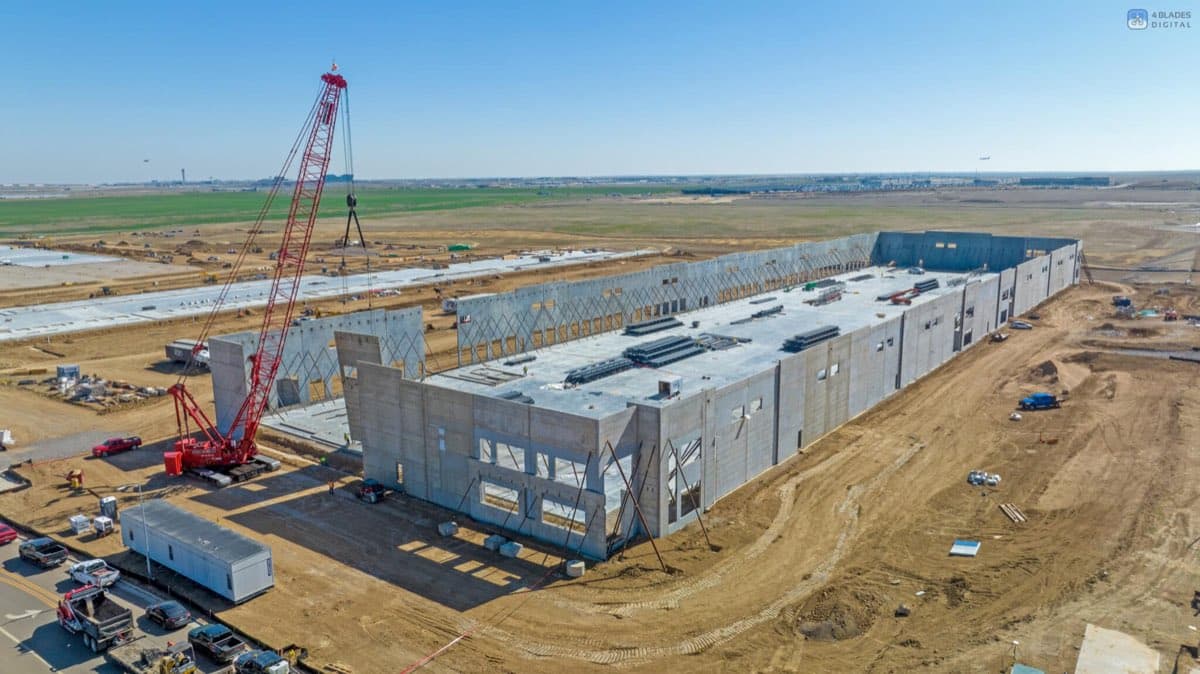
Engineered tilt-wall shells for distribution, maquila-support, and industrial facilities across the Borderplex — poured on caliche-stabilized beds and stood in El Paso's low-humidity desert air.
View Service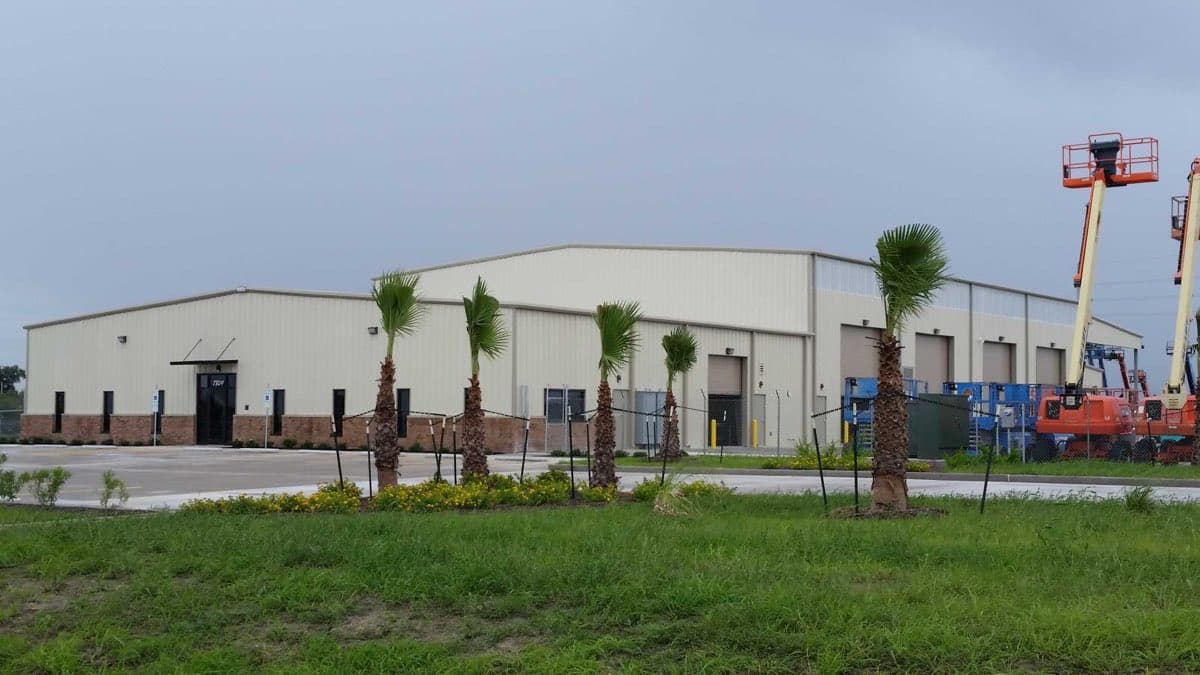
Warehouse Construction
Ground-up and expansion warehouse builds designed for BNSF/UP intermodal connectivity, Cd. Juárez maquila supply chains, and the El Paso/Santa Teresa logistics corridor.
View Service
Industrial Construction
Industrial facility construction for maquiladora-support manufacturing, Fort Bliss defense logistics, and Borderplex process environments where sequencing and safety compliance are non-negotiable.
View Service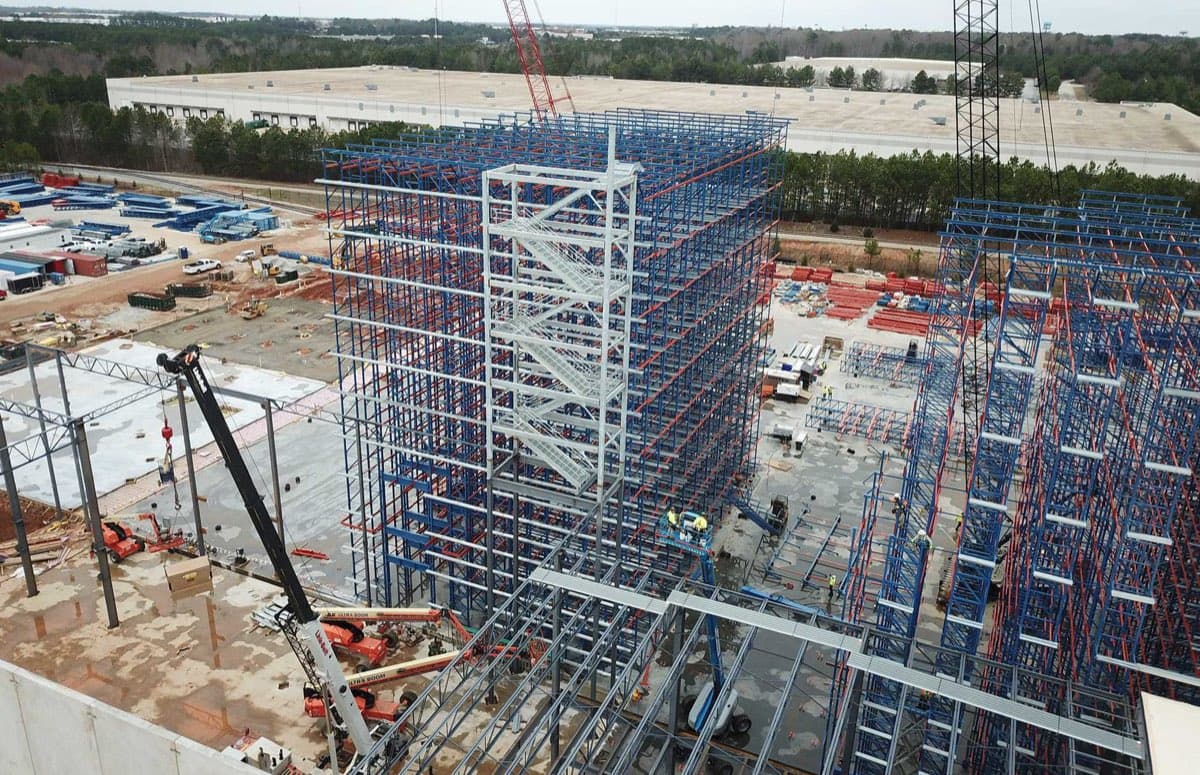
Commercial Construction
Commercial general contracting for El Paso's Sun City corridor — from UTEP-adjacent medical office to West El Paso mixed-use redevelopment — with concrete expertise at the foundation of every scope.
View Service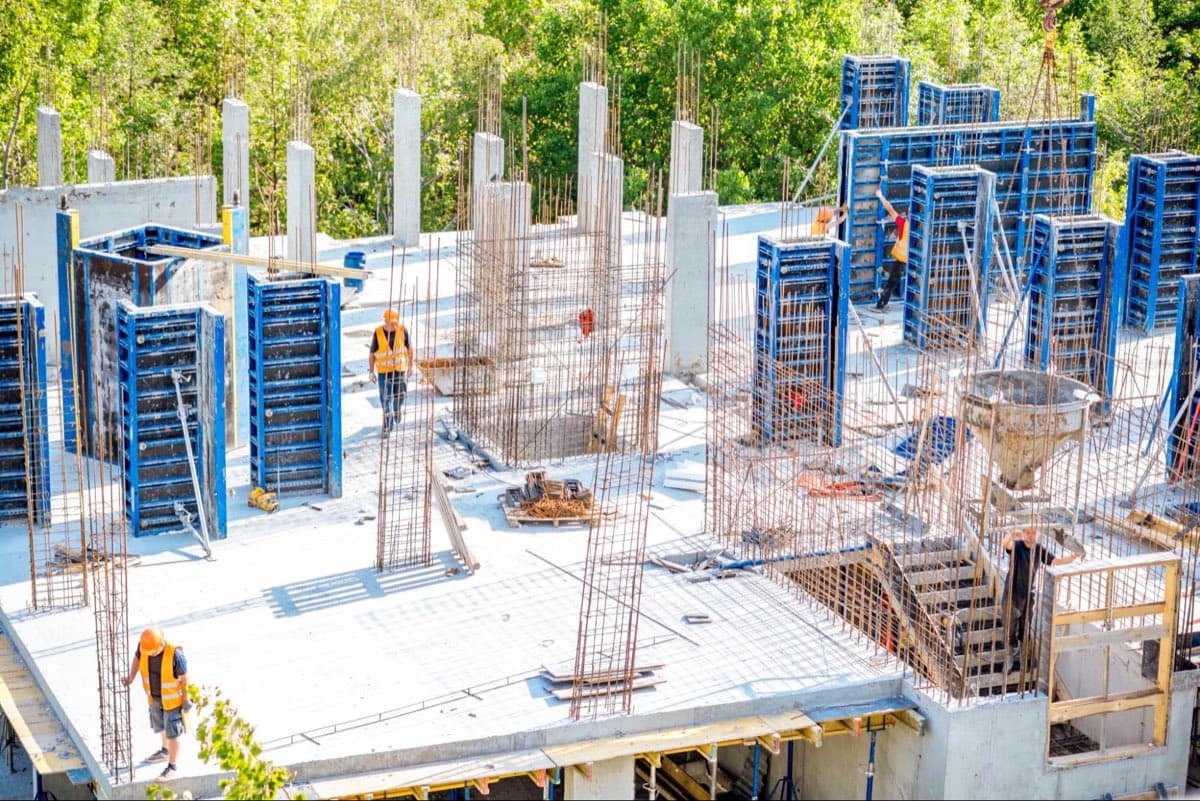
Shopping Center Construction
Shopping center and retail plaza construction for El Paso's dense retail corridors — Montwood, Zaragoza, Lee Trevino — with phased delivery grounded in multi-tenant Hispanic family ownership and franchise opening dates.
View Service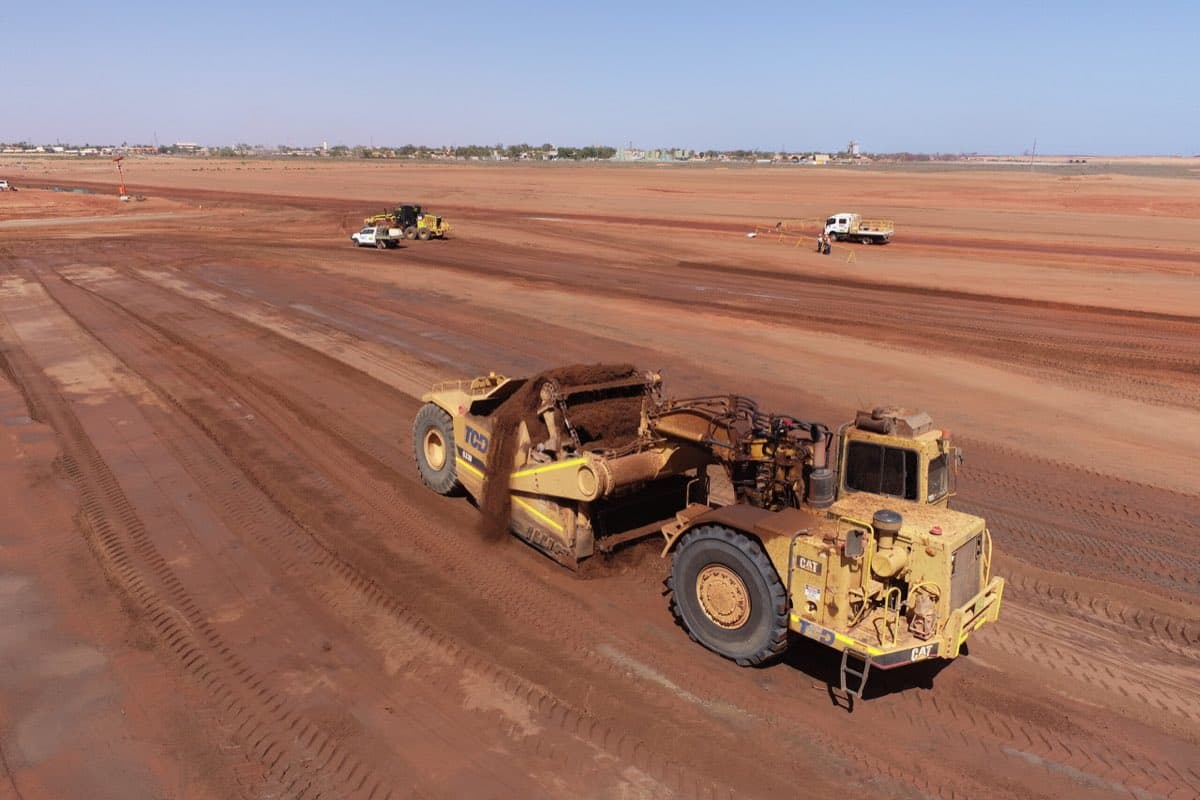
Earthwork and Heavy Civil
Mass grading, caliche stabilization, drainage infrastructure, and civil earthwork that establish stable starts for Borderplex industrial and commercial development — from Santa Teresa to Horizon City.
View Service