
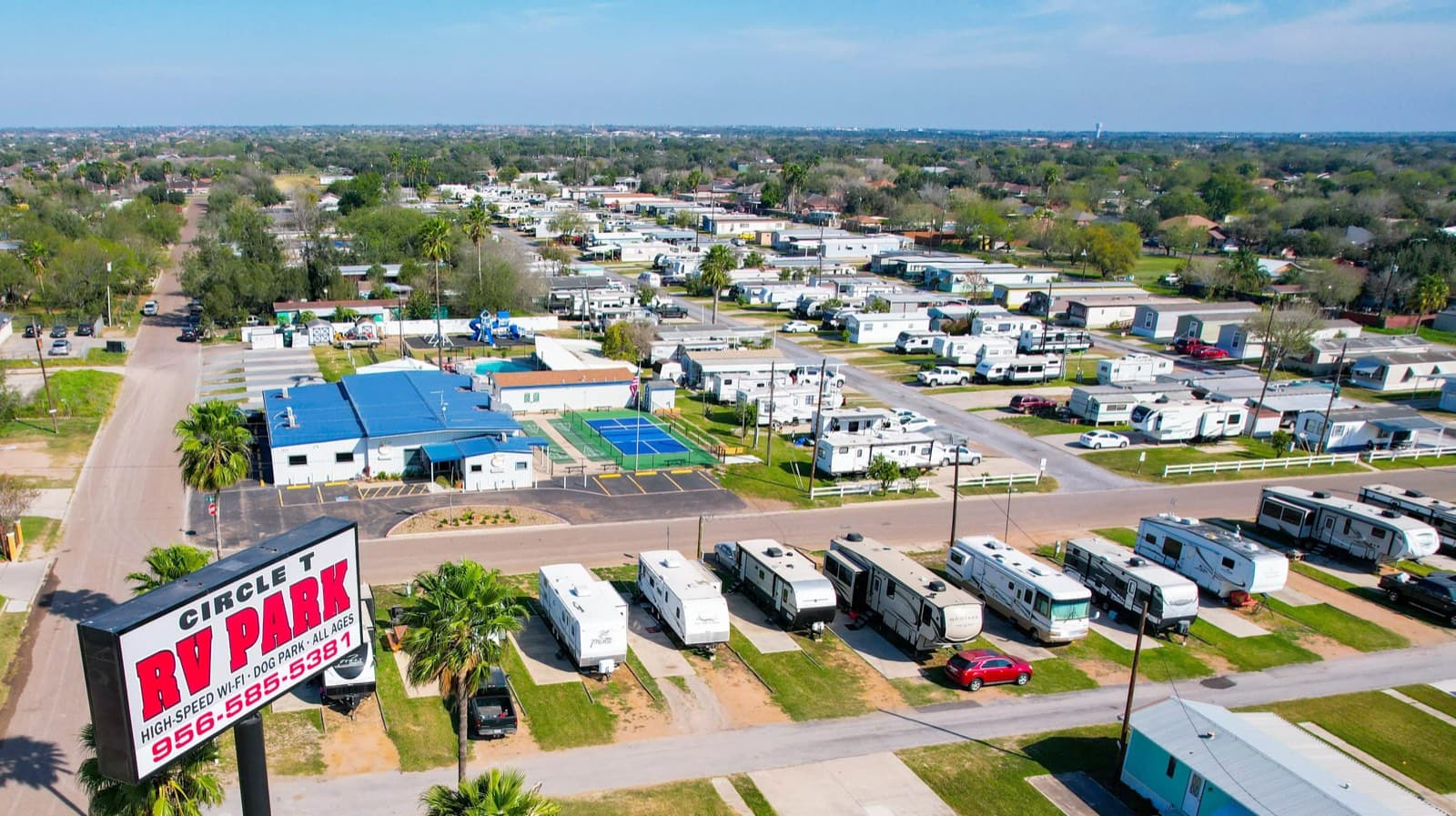
Local Project Support in Mission Valley
Mission Valley construction often blends redevelopment and new-build scopes across constrained parcels. We coordinate earthwork, utility installation, and concrete packages so project teams maintain consistent progress from early civil work to final occupancy preparation.
Mission Valley encompasses the southeast El Paso and Socorro corridor where agricultural land transitions to light industrial and commercial development along the lower valley routes. Concrete construction in Mission Valley reflects the mixed land use: manufacturing-support buildings and storage facilities adjacent to agricultural operations, community commercial serving the Mission Valley and Socorro neighborhoods, and civil infrastructure that coordinates with El Paso County's southeast corridor improvement programs. The Rio Grande proximity and the lower elevation of the Mission Valley floor create groundwater conditions — seasonal high-water from Rio Grande stage elevation and monsoon infiltration — that affect foundation design in ways that higher-elevation East El Paso sites don't encounter.
Mission Valley's arroya drainage network is a defining concrete infrastructure challenge. The natural drainageways that channel monsoon runoff from the Hueco Bolson and the East El Paso mesa toward the Rio Grande cross numerous Mission Valley development sites, and El Paso County's arroya improvement program requires concrete-lined channel construction for any development that modifies natural drainage patterns. Concrete Contractors of El Paso has constructed concrete-lined arroya channels in the Mission Valley corridor coordinating with El Paso County Public Works on design review, inspection sequencing, and hydraulic acceptance testing.
Our teams coordinate from El Paso while supporting active jobsite needs in Mission Valleyand surrounding submarkets. We align planning and field execution for civil, structural concrete, and full general contracting scopes.
Market Context and Delivery Priorities
Projects in Mission Valley work best when access, utilities, and vertical milestones are mapped together. That is especially true in a market like El Paso, where some sites are navigating active corridors, while others are balancing redevelopment constraints, utility coordination, and the need to stay open to customers or occupants while work is in progress.
Our teams use the local context to shape the delivery plan instead of applying the same sequence everywhere. We look at truck routes, inspection timing, neighboring uses, and the likely pressure points on the site, then build a schedule that reflects how the project will actually be built. That keeps communication more useful for owners and operators.
When a location spans more than one phase or one type of scope, we keep the handoffs visible so civil, building, and finish work do not compete for the same access or resources. That helps owners avoid the usual bottlenecks that show up when site work, utility coordination, and interior completion are all happening at once.
A strong closeout matters just as much as a clean start. For facilities in and around Mission Valley, the best outcome is a handoff that leaves the owner with a clear record of what was built, what remains under warranty, and how the site should be maintained once the crews leave.
Why This Area Matters
- Valley-route familiarity for equipment and crew movement
- Sequencing expertise for mixed civil and vertical projects
- Coverage integration with Lower Valley and downtown
The relevance points above matter because they influence how crews are staged, how material deliveries are timed, and how the project moves from one milestone to the next without unnecessary downtime. That is what keeps the work practical for ownership groups and facility operators.
Local Considerations
- Rio Grande proximity creates seasonal high groundwater conditions — monsoon-season boring depth analysis required before foundation design
- Arroya drainage network requires El Paso County Public Works coordination for any development that modifies natural drainage patterns
- Mixed agricultural-to-commercial land conversion requires geotechnical review of organic soil content in irrigation-affected zones
Planning Notes For Location-Based Projects
Local market conditions shape schedule, because Mission Valley may need different access, permit, or utility coordination than nearby markets.
We look at adjacent corridors and supplier routes early so the project does not lose momentum once material deliveries begin.
The best location plans are the ones that respect how people, trucks, and inspectors actually move through the site.
If the project relies on phased turnover, we define those release points early so site work, structural work, and interior follow-on activity do not compete for the same access.
Owners in Mission Valley also benefit from clear communication on long-lead items and jurisdiction sequencing, because those two issues can change what is realistically buildable week to week.
Why Local Sequencing Matters
Projects in Mission Valley usually run better when the schedule reflects how access, inspections, deliveries, and neighboring activity actually behave in that submarket. We use those local conditions to shape the build path so the project team is not forced to recover from avoidable sequencing misses later in the job.
Mission Valley Construction FAQs
Mission Valley's arroya system is regulated by El Paso County Public Works Stormwater Management, and any development that modifies arroya channels or drainage patterns requires design approval and inspection coordination with the county. We submit arroya improvement plans — concrete channel lining design, headwall and culvert designs, and hydraulic calculations — to El Paso County for review before mobilizing earthwork crews. Concrete work on county-regulated arroya channels requires inspection at specific milestones — subgrade preparation, reinforcing placement, and finished lining — that we track and schedule with county inspectors proactively.
Mission Valley's position in the lower Rio Grande valley means groundwater can be within 4-to-8 feet of the surface during the monsoon season when Rio Grande stage is elevated and monsoon infiltration raises the perched water table above the caliche layer. We require geotechnical borings to be drilled during or after the monsoon season for Mission Valley sites where foundation waterproofing decisions hinge on seasonal groundwater depth. Foundation excavation during July-through-September requires dewatering equipment on site — we don't begin foundation work in Mission Valley during monsoon season without a dewatering plan in place.
Mission Valley is centrally positioned between East El Paso and the lower valley — El Paso batch plants serving the East Side and central El Paso area typically reach Mission Valley sites in 20-to-35 minutes, within acceptable delivery windows for most concrete mix designs. We don't need separate Mission Valley-specific batch plant arrangements for standard commercial concrete; we draw from the same East El Paso supply network that serves our industrial concrete on the Loop 375 corridor. For specialty mixes with shorter workability windows, we confirm batch plant routing and timing before scheduling pour days.
Popular Services in Mission Valley
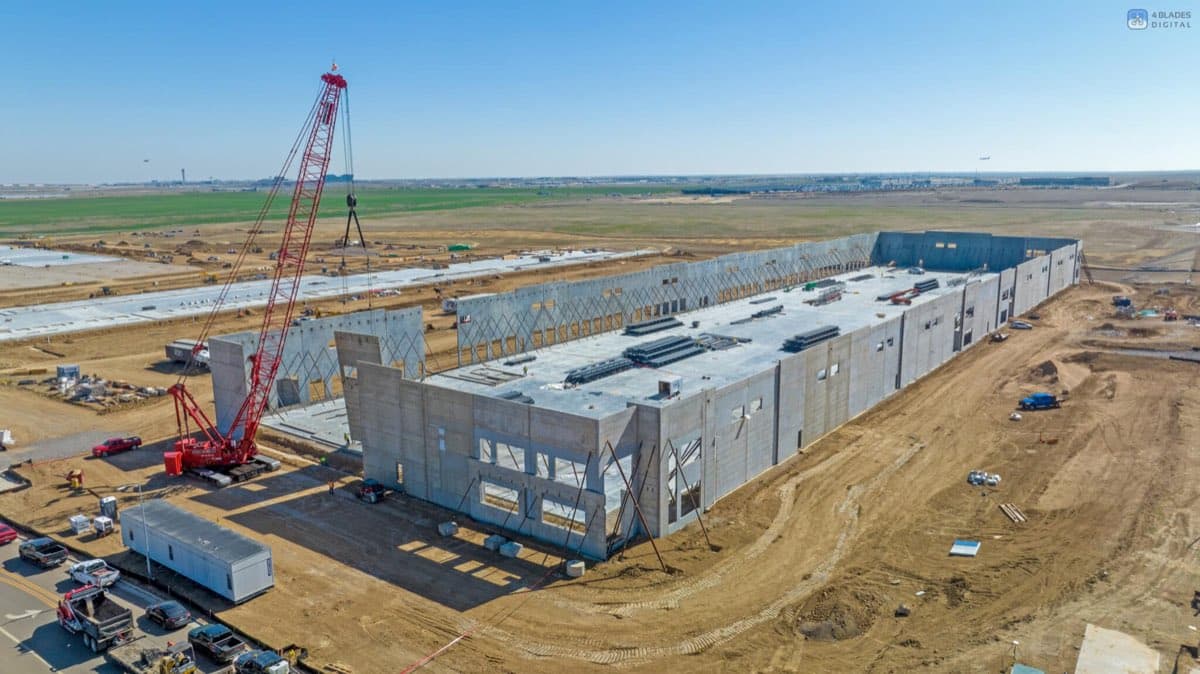
Tilt-Wall Construction
Engineered tilt-wall shells for distribution, maquila-support, and industrial facilities across the Borderplex — poured on caliche-stabilized beds and stood in El Paso's low-humidity desert air.
View Service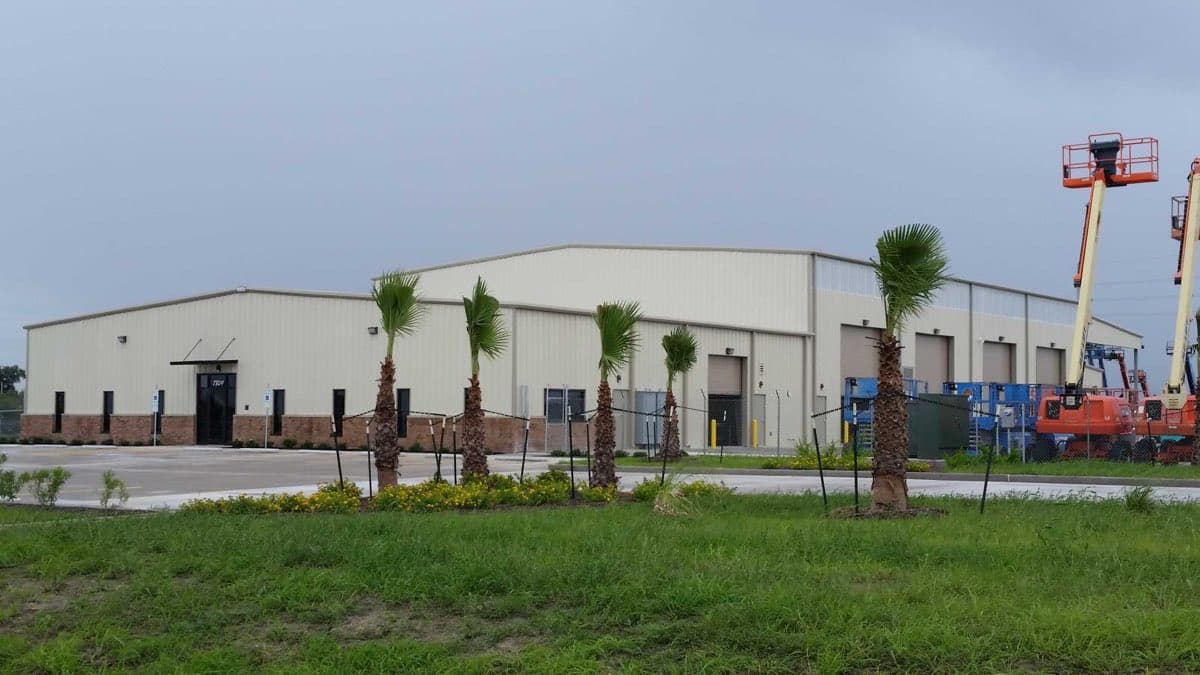
Warehouse Construction
Ground-up and expansion warehouse builds designed for BNSF/UP intermodal connectivity, Cd. Juárez maquila supply chains, and the El Paso/Santa Teresa logistics corridor.
View Service
Industrial Construction
Industrial facility construction for maquiladora-support manufacturing, Fort Bliss defense logistics, and Borderplex process environments where sequencing and safety compliance are non-negotiable.
View Service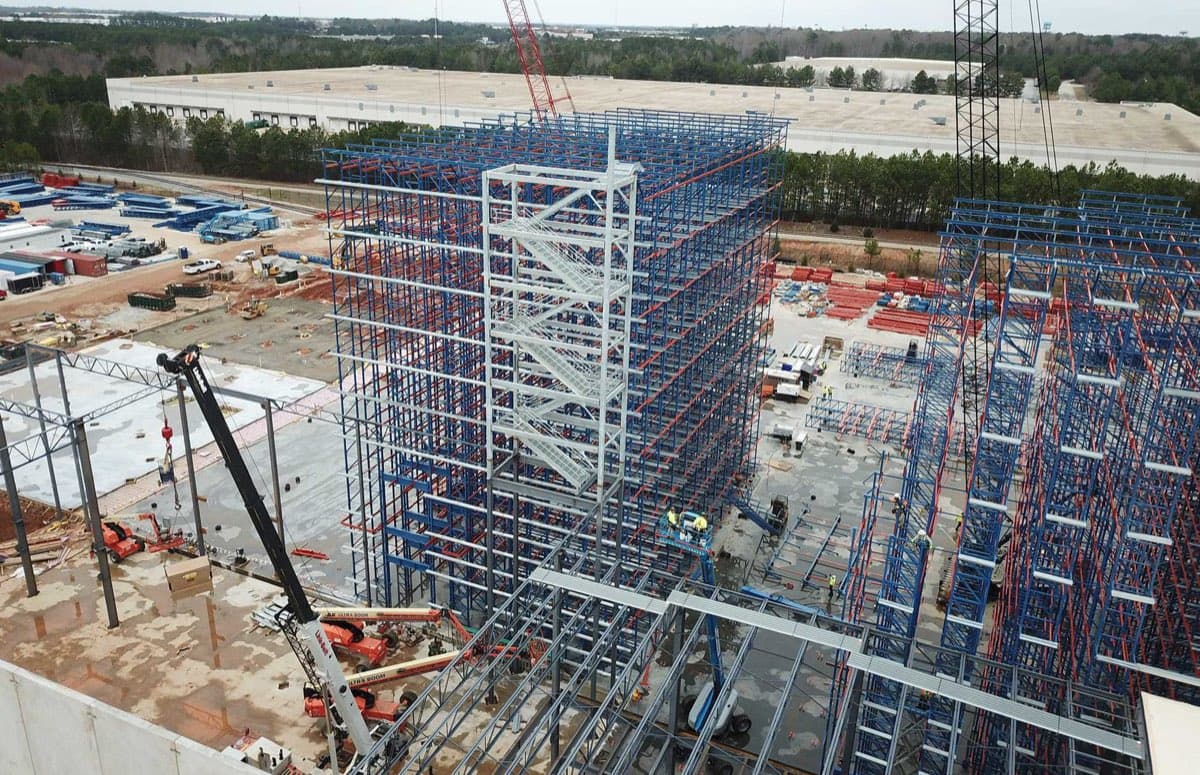
Commercial Construction
Commercial general contracting for El Paso's Sun City corridor — from UTEP-adjacent medical office to West El Paso mixed-use redevelopment — with concrete expertise at the foundation of every scope.
View Service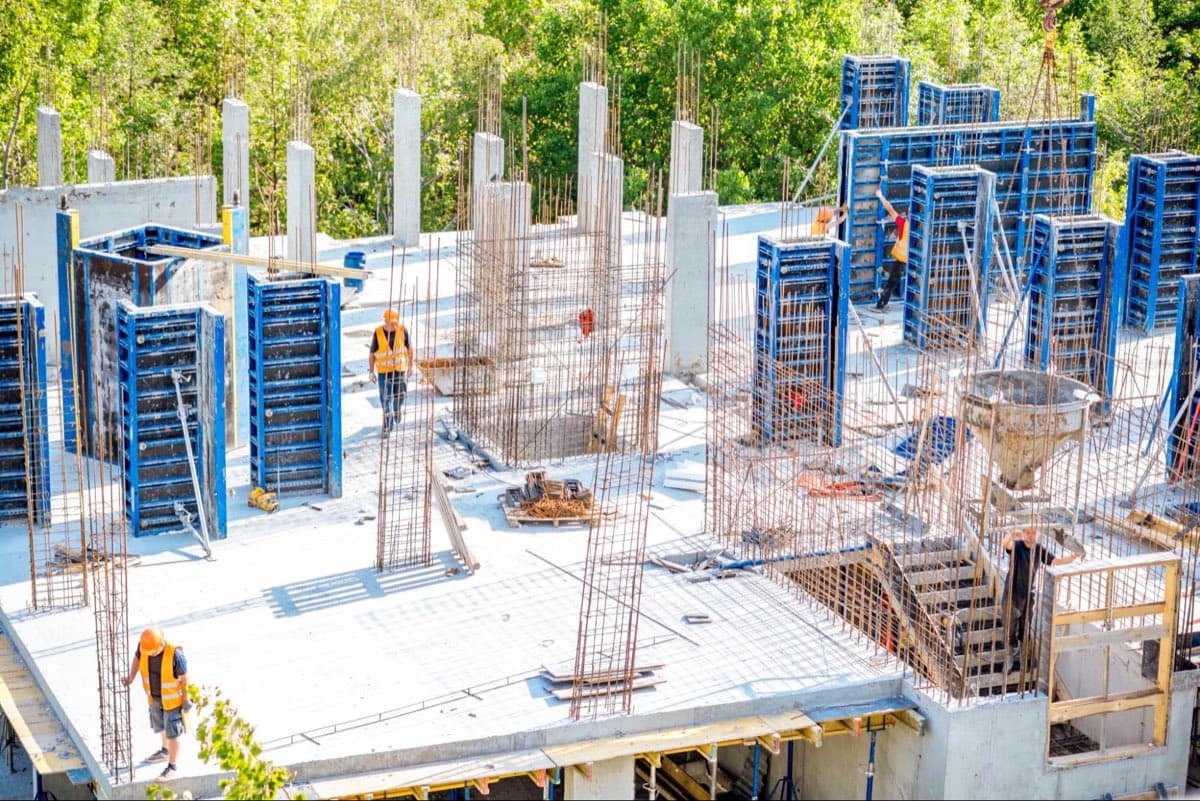
Shopping Center Construction
Shopping center and retail plaza construction for El Paso's dense retail corridors — Montwood, Zaragoza, Lee Trevino — with phased delivery grounded in multi-tenant Hispanic family ownership and franchise opening dates.
View Service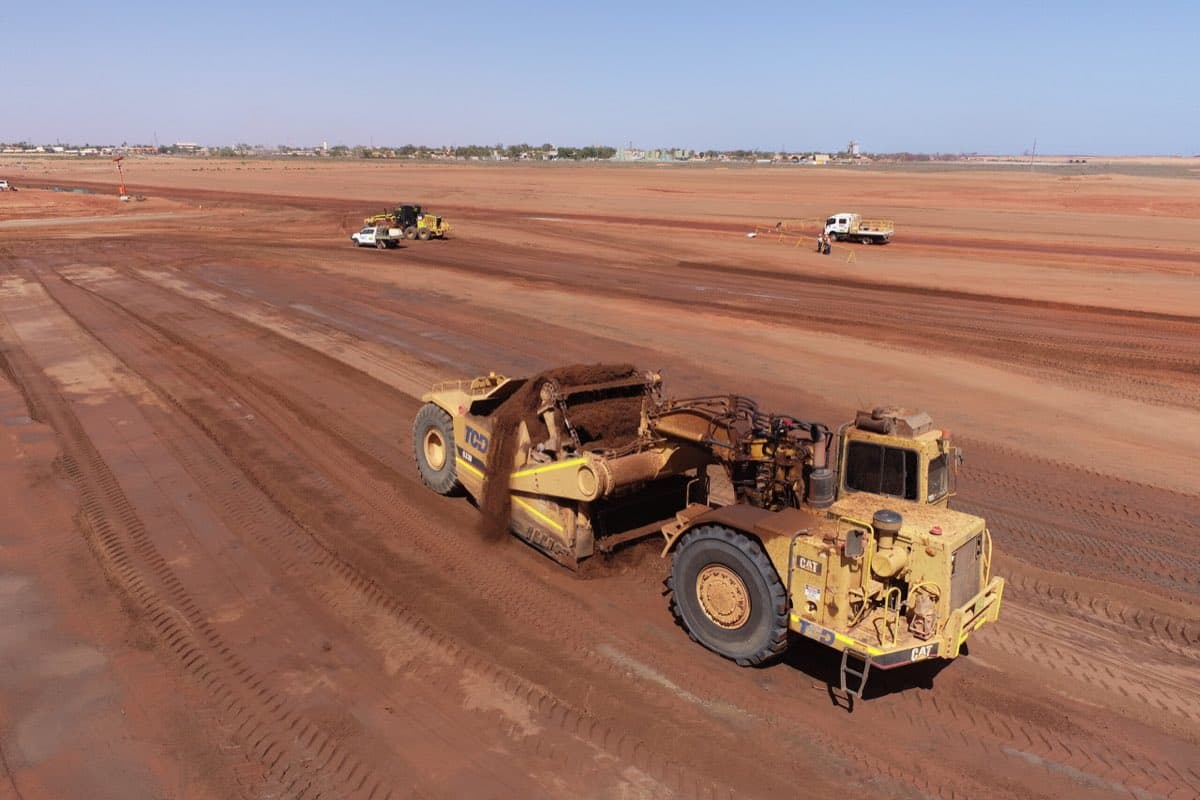
Earthwork and Heavy Civil
Mass grading, caliche stabilization, drainage infrastructure, and civil earthwork that establish stable starts for Borderplex industrial and commercial development — from Santa Teresa to Horizon City.
View Service